Interventions, autopsies, and dissections of the graphic image
From september 2nd to october 30th
Jorge de la Vega, Grete Stern, León Ferrari, Horacio Zabala, Jorge Macchi, Osvaldo Lamborghini, Alfredo Londaibere, Rosana Schoijett, Valentina Liernur, Carlos Herrera, Carlos Huffmann, Adrián Villar Rojas, Mariana Tellería, Leonardo Sánchez, Manuel Fernández.
The monster lies latent within every image, waiting for the conditions to manifest itself. It appears when an image ceases to obey the regime that organized its meaning and begins to produce unforeseen associations. Because the image is also a battlefield: every photograph can be cropped, every headline taken out of context, every advertisement dismantled.
One of the great transformations of modernity was the emergence of a universe of technically reproducible images—identical, circulating, and potentially infinite. Surrealism, Pop, and political art, among other very different traditions, operated within this new visual regime. They shared a conviction: industrially produced images could be diverted from their original function and charged with fiction or criticality. Artists’ interventions into mass-produced images, whether as the starting point or destination of their works, can be understood as a material precursor to algorithmic visual culture. An image is detached from its context, combined with another, acquires a new meaning, and begins to circulate again. Memes take this logic into a collective and accelerated dimension; fake news demonstrates its power to manufacture realities; artificial intelligence makes possible the production of images that no longer depend on a prior referent.
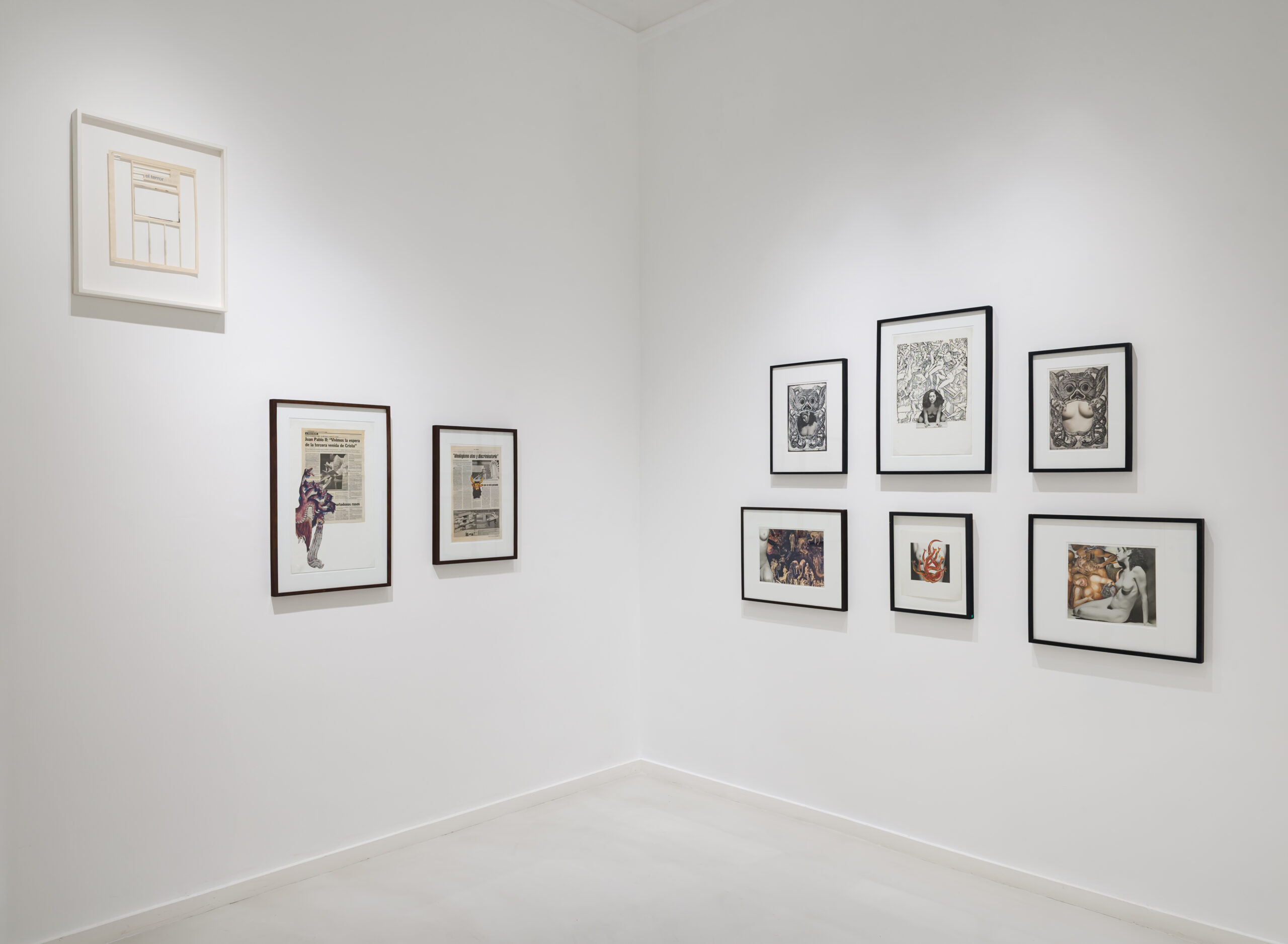
Interventions, autopsies, and dissections of the graphic image brings together artists who, at different historical moments, have found in the visuality of the media a territory in which to introduce anomalies. Each work proposes reading these images against their own evidence, questioning their apparent transparency, and returning to them what mass circulation tends to neutralize: ambiguity, conflict, materiality, and the capacity to produce other worlds.
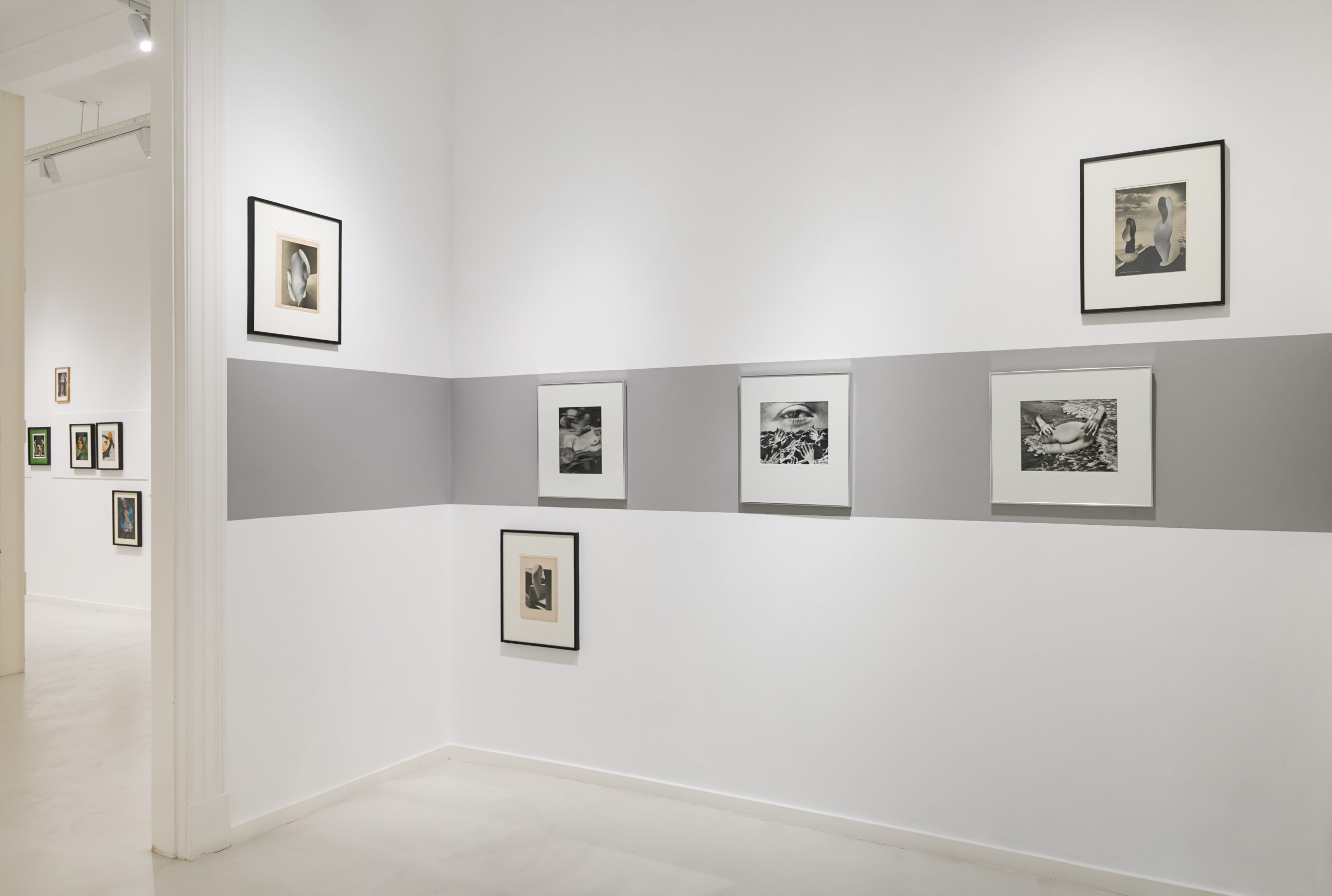
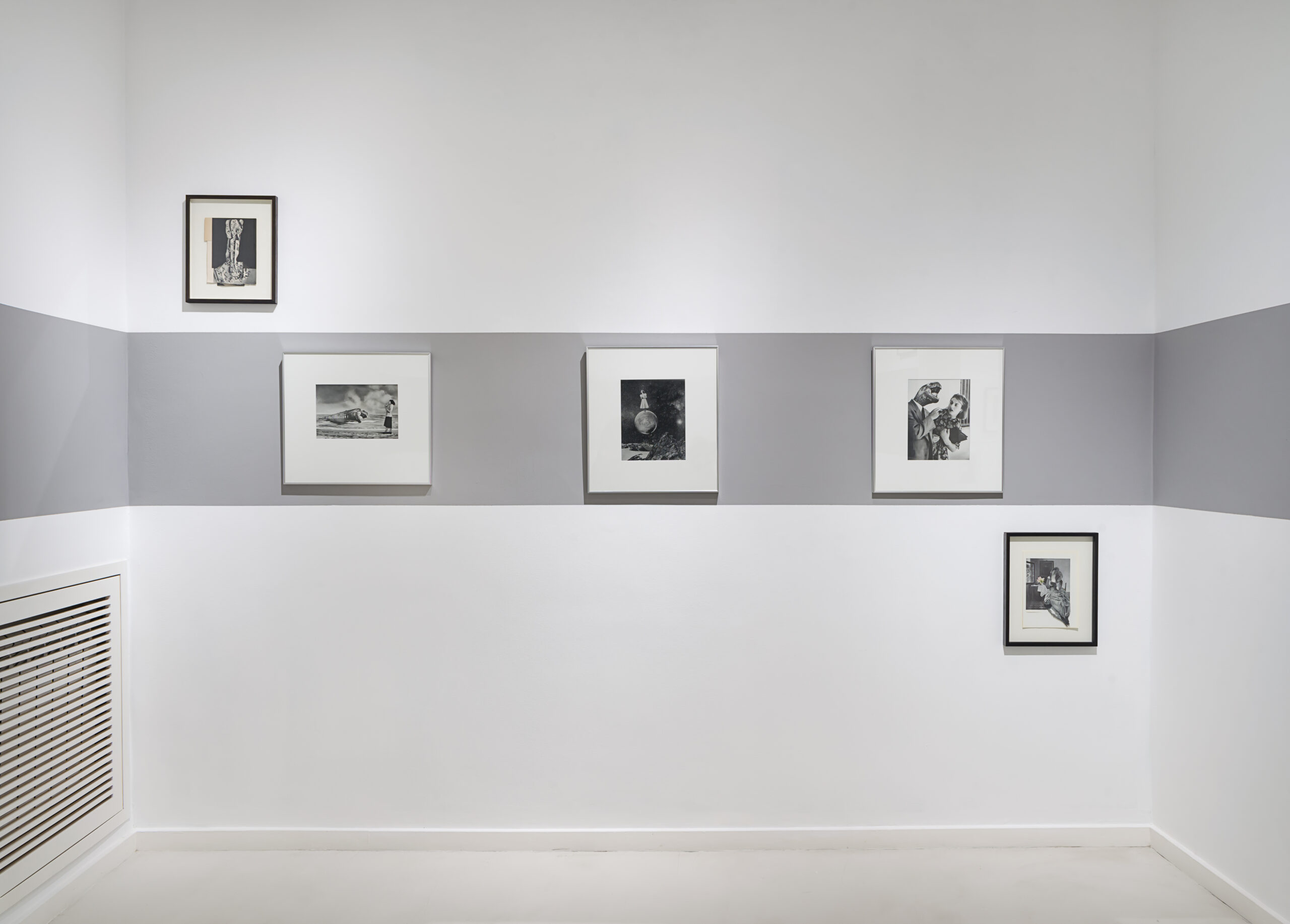
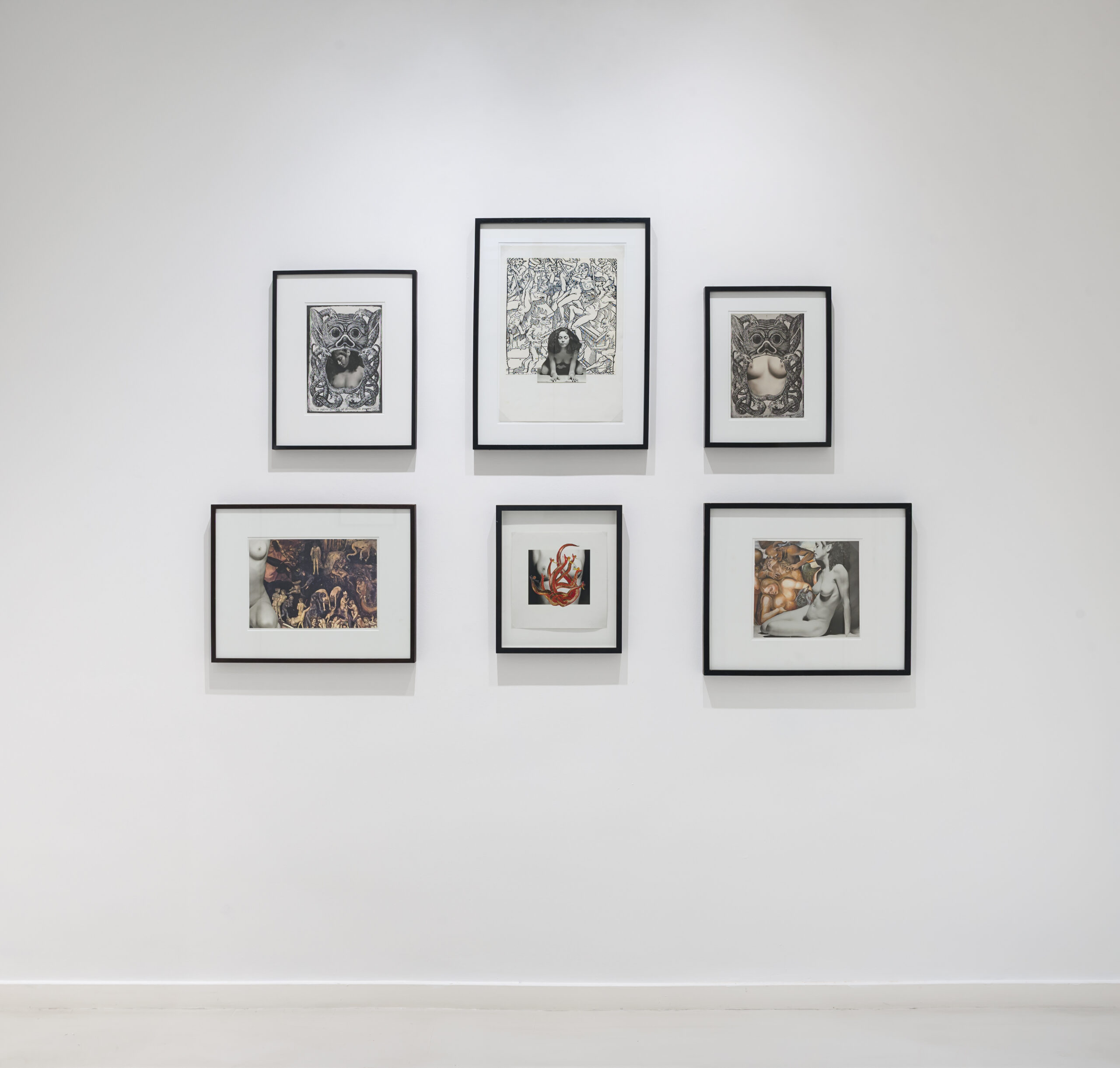
A first section approaches this problem through the surrealist imagination, with Grete Stern as its central figure, accompanied by Rosana Schoijett and Manuel Fernández. These artists’ procedure consists of generating a fantastic image from fragments that, because of their photographic origin, have already been accepted as part of reality. Photography’s indexical condition—its physical or causal relationship to what stood before the camera—makes these fantasies disturbingly plausible. The operation destabilizes everyday reality in order to reveal zones of dream, violence, or drive that rational order attempts to keep separate. Through photomontage, photography becomes a psychic space: a place where different temporalities, bodies, scales, desires, and fictions can coexist.
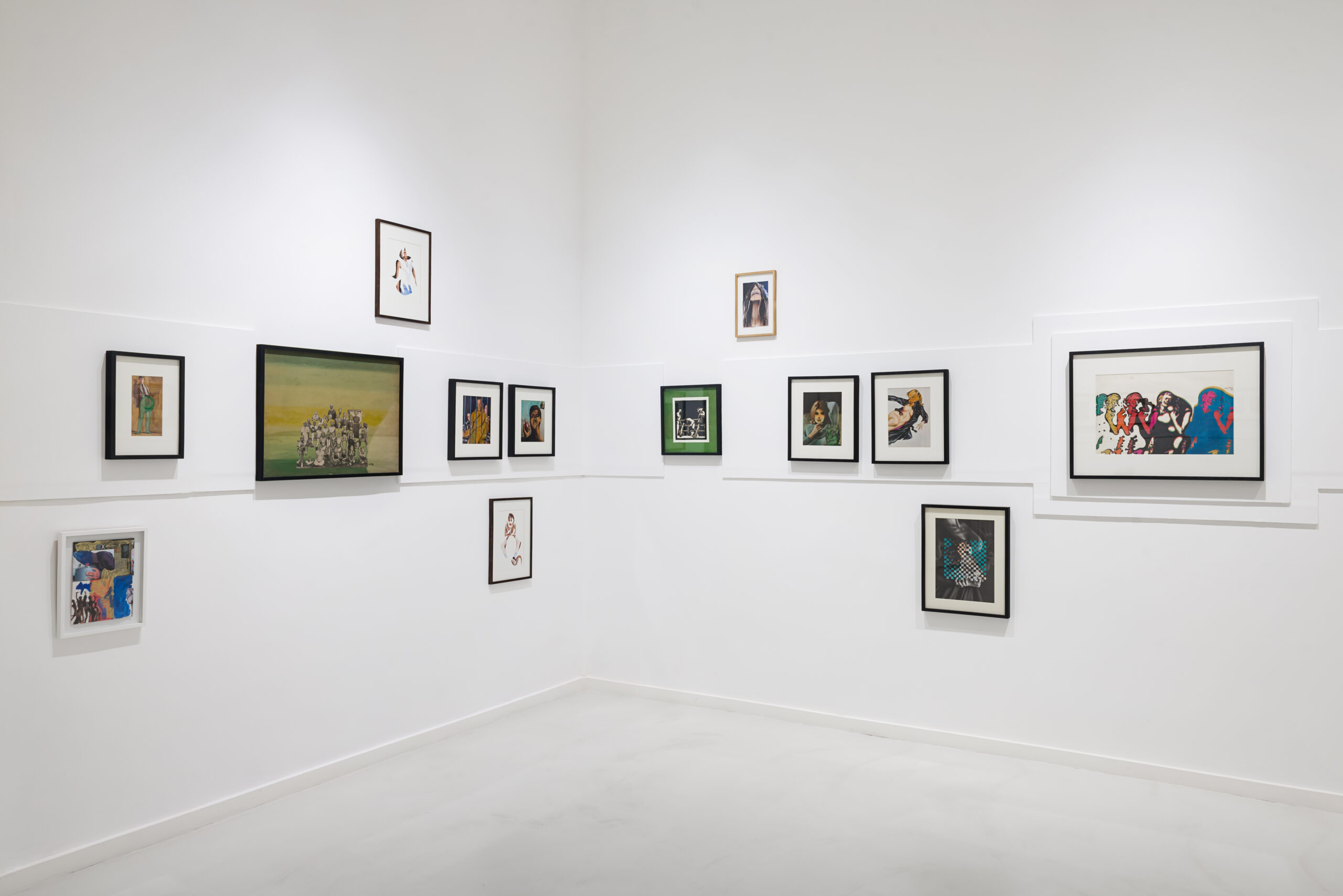
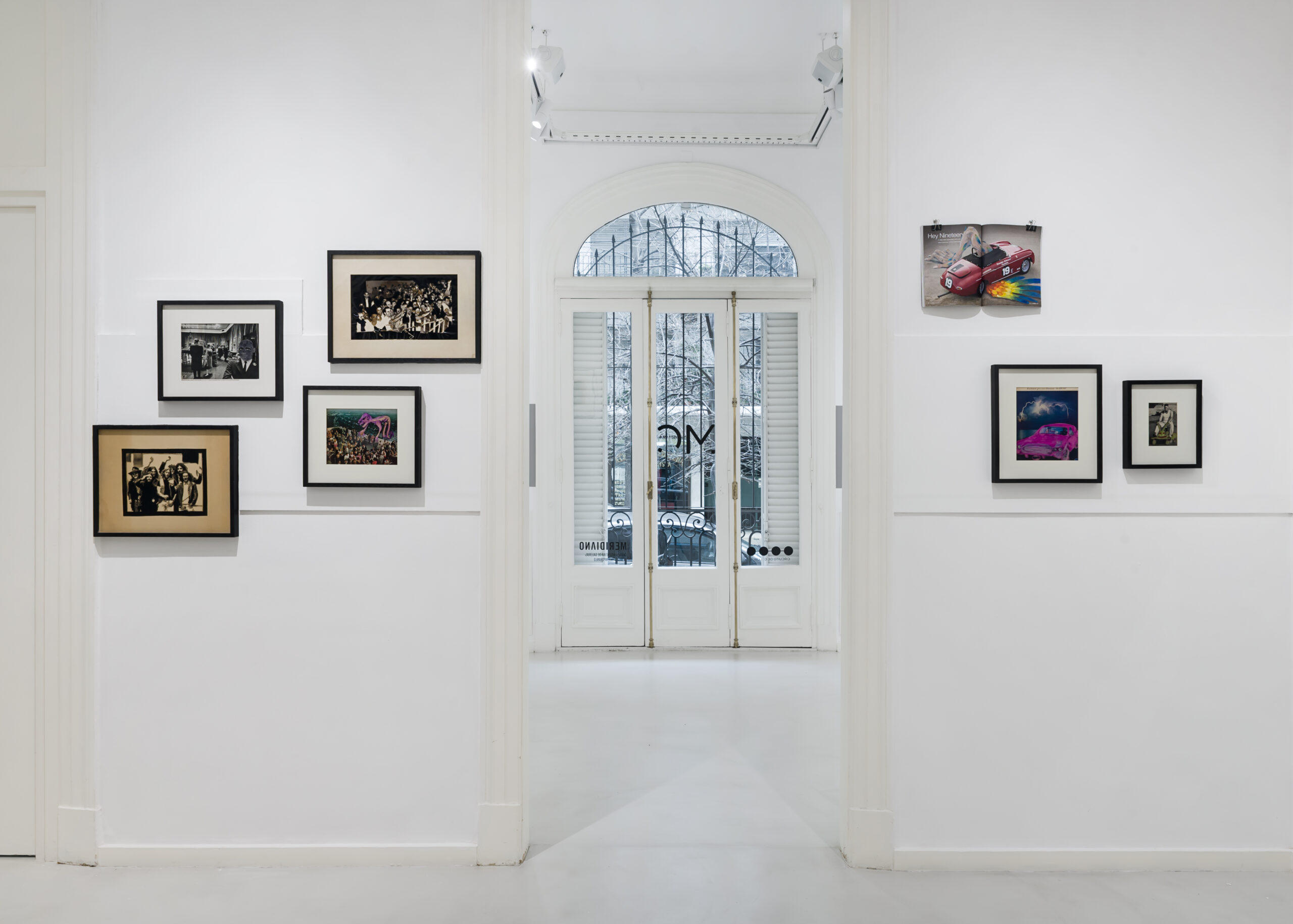
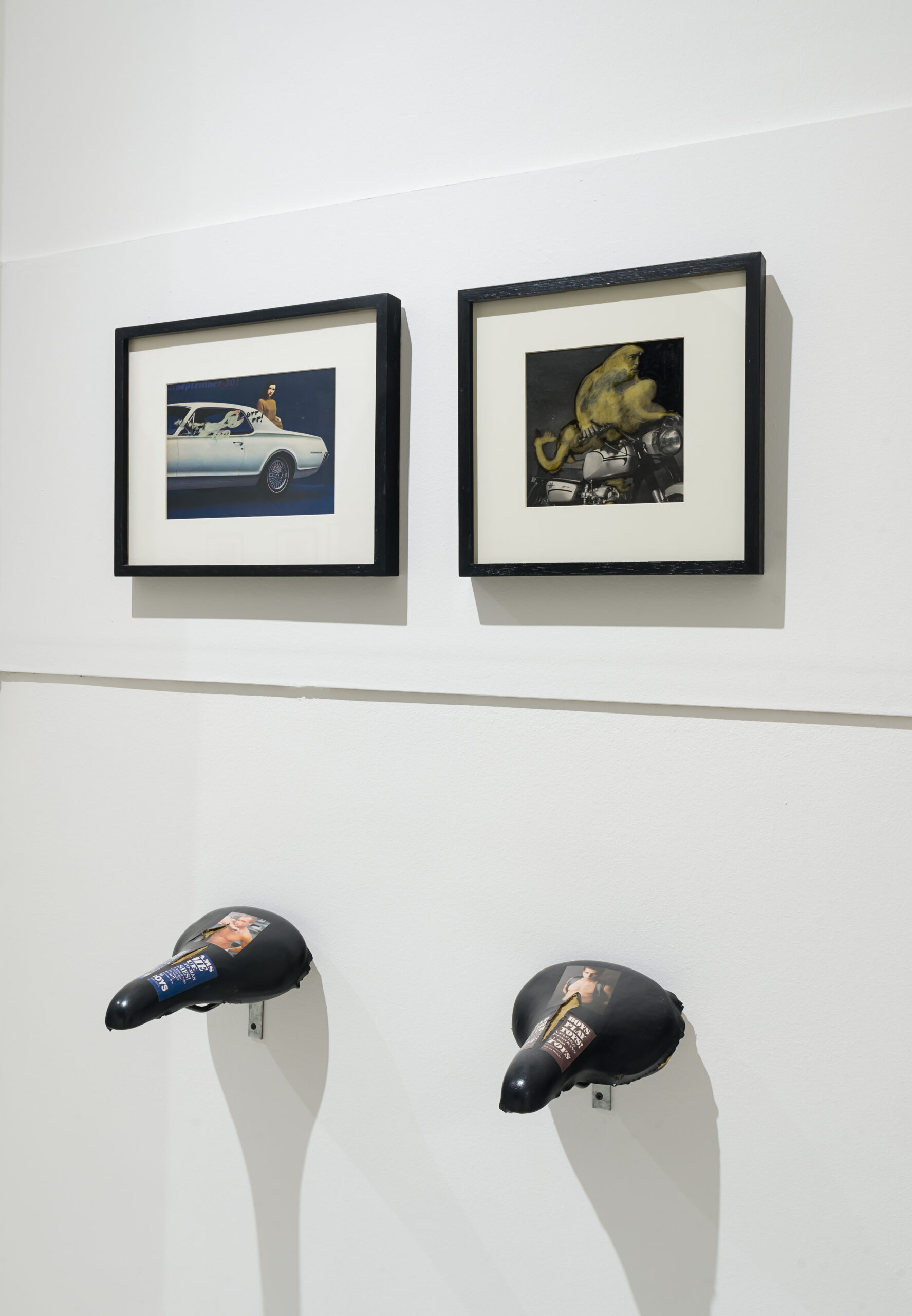
A second section brings together artists associated with a Pop sensibility or materiality, with Jorge de la Vega as its central figure. For these practices, mass culture offers a visual repertoire in which ways of life and ways of representation are intertwined. The aim is no longer, as in Surrealism, to open a fissure toward the unconscious, but to intervene in a visual culture organized around repetition, consumption, and circulation. The promise of happiness associated with advertising imagery is transformed into estrangement.
In De la Vega’s effasages, the industrial image remains recognizable, but something begins to inhabit it. Invaded by a bestiary of forms, faces, and bodies, it loses its stability and reveals a monstrous dimension that had remained latent beneath its visible surface. Effasage combines seemingly contradictory operations: adding and removing, intervening and erasing, revealing and concealing. There is a form of excavation in this procedure. Beneath every image of consumption, a world seems to exist that begins to manifest itself as its surface is eroded. The monstrous does not arrive from outside: it emerges as a symptom of the image itself. In the artists accompanying this section—Osvaldo Lamborghini, Alfredo Londaibere, Valentina Liernur, Carlos Herrera, Carlos Huffmann, Adrián Villar Rojas, Mariana Tellería, and Leonardo Sánchez—intervention appears as a practice of contamination. Images produced to be consumed, recognized, and rapidly replaced are subjected to operations that interrupt their functioning and bring forth a world that was not anticipated. The aim is not to escape mass culture, but to enter it deeply enough to find its cracks.
The third section introduces a more explicit political purpose. León Ferrari occupies an important historical role within these narratives because of his ability to bring together languages that dominant discourses tend to keep separate: the press, religion, desire, violence, and institutions of power. Through repetition, literalness, displacement, metaphor, irony, and parody, Ferrari alters the systems of reading that allow certain images to appear natural. The operations within this section rely on simple procedures: confronting two images that had never appeared together, as in Ferrari’s work, or cutting out or covering what the original image proposed, as in the works of Jorge Macchi and Horacio Zabala.
In his series of collages using photographs of Madonna, Ferrari extends these operations into the realm of mass culture. The confrontation between images drawn from religious and erotic universes produces shifts between the sacred and the profane, while questioning the historical ways in which Christianity has associated desire and the body with guilt and sin. The choice of Madonna is significant precisely because her figure concentrates many of these tensions between desire, sexuality, morality, and Christianity.
The medical analogy of the title ultimately proposes looking at images as bodies. They are familiar to us because we see them every day, yet their anatomy usually remains invisible. Cutting an image makes its structure visible; separating its parts reveals the seams that held its meanings together. By juxtaposing fragments from different worlds, relationships that previously remained hidden emerge. Erasing produces an absence; repetition, an obsession; changing the scale, an anomaly; moving an image from one context to another alters its history. The exhibition imagines these practices as operations performed on a collective body of images constructed by the press, advertising, entertainment, propaganda, and other systems of mass circulation. Artistic intervention does not necessarily destroy this body: it opens it up in order to observe how it functions, what relationships it sustains, and which areas it keeps hidden. Where an image claims to show a fact, the artist introduces fiction; where it proposes a single temporality, the artist incorporates remnants of the past, projections toward the future, and associations that disorder the present.
Javier Villa