
Antonio Asis
Antonio Asis (Buenos Aires, 1932) is a key figure in Argentine geometric and kinetic art, recognized for a body of work that consistently investigates the relationships between perception, movement, and structure. Born into a family of Lebanese origin settled in Argentina, he studied at the National School of Fine Arts in Buenos Aires between 1946 and 1950, in a context shaped by the emergence and debates surrounding the Concrete Art Movement. During these formative years, he was a student of Héctor Cartier, whose teaching—grounded in Gestalt theory—proved fundamental to the development of his visual thinking, particularly regarding the relativity of color and perception.
In the late 1950s, Asis moved to Paris, reversing his family’s migratory path. In the French capital, he became part of a dynamic artistic environment and joined a circle of Latin American artists developing their careers there. His early years in Paris were marked by various jobs until he was able to fully dedicate himself to his artistic practice. Over time, he established himself as one of the most prominent Argentine artists working in Europe.
His work belongs to the abstract tradition but introduces an experimental dimension aimed at destabilizing the viewer’s perception. Through the use of grids, metal screens, and layered structures, Asis developed a visual language in which movement is not physical but perceptual. The viewer must move in front of the work to activate the optical vibrations it generates. In this sense, space and time become central elements of his practice: the artwork is not confined to its material presence but is completed through visual experience.
Throughout his career, he participated in numerous solo and group exhibitions in institutions and galleries across Europe and the Americas, including landmark kinetic art exhibitions such as Lumière et mouvement at the Musée d’Art Moderne de la Ville de Paris in 1967. His work has also been featured in exhibitions at the Museo Reina Sofía in Madrid, the Museum of Fine Arts in Houston, and various institutions dedicated to Latin American art.
The ideas developed by Asis have influenced subsequent generations of artists interested in perception and movement. However, his production has always retained an introspective character, largely developed in the solitude of his Paris studio.
Today, his work is internationally recognized and included in major public collections. His “dynamic universe,” based on vibration, repetition, and visual instability, positions him as a central figure in kinetic art, whose investigations continue to challenge contemporary perception.
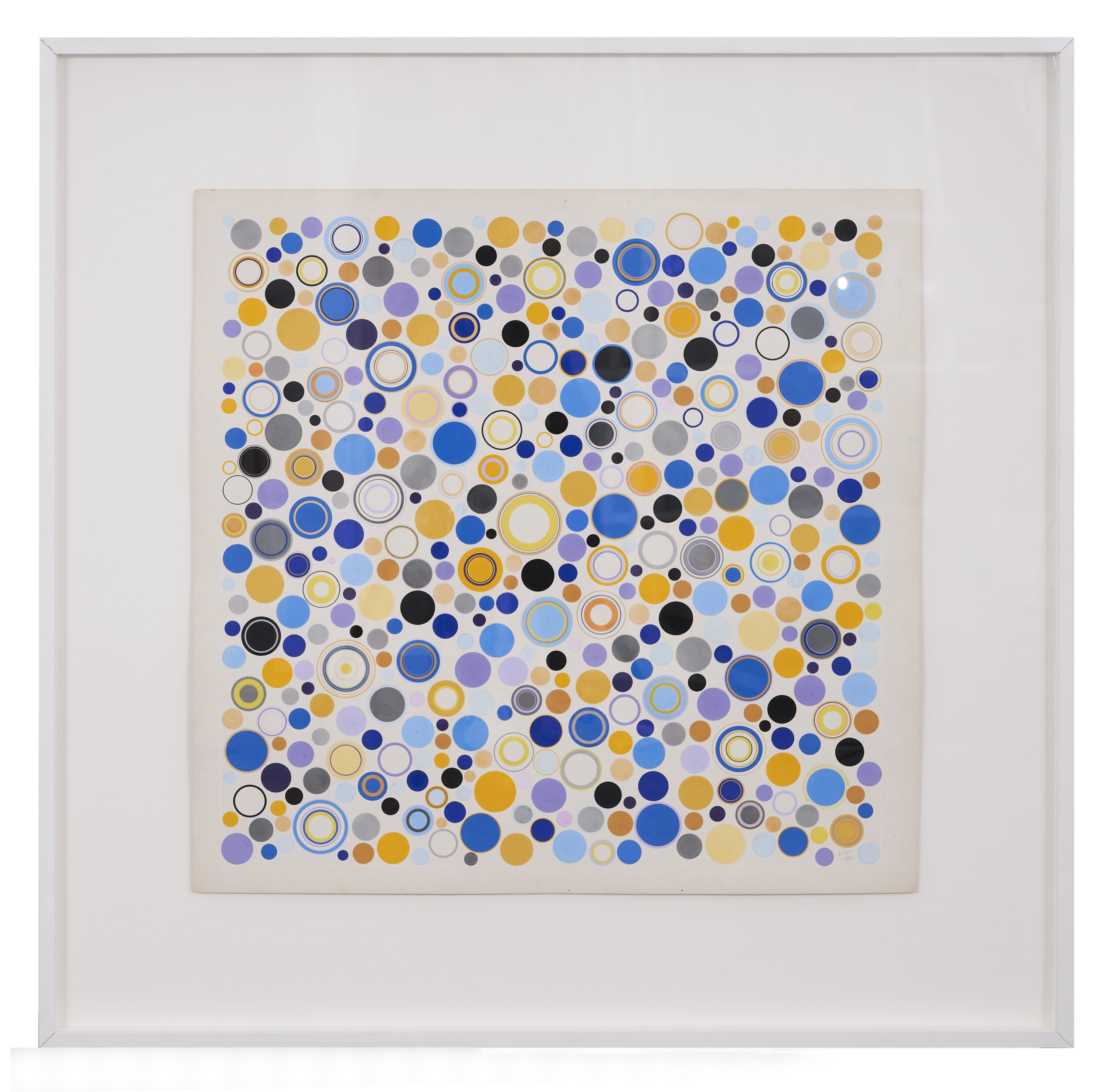
Colored touches #2351, 1962
acrylic on cardboard, 77 x 76 cm.
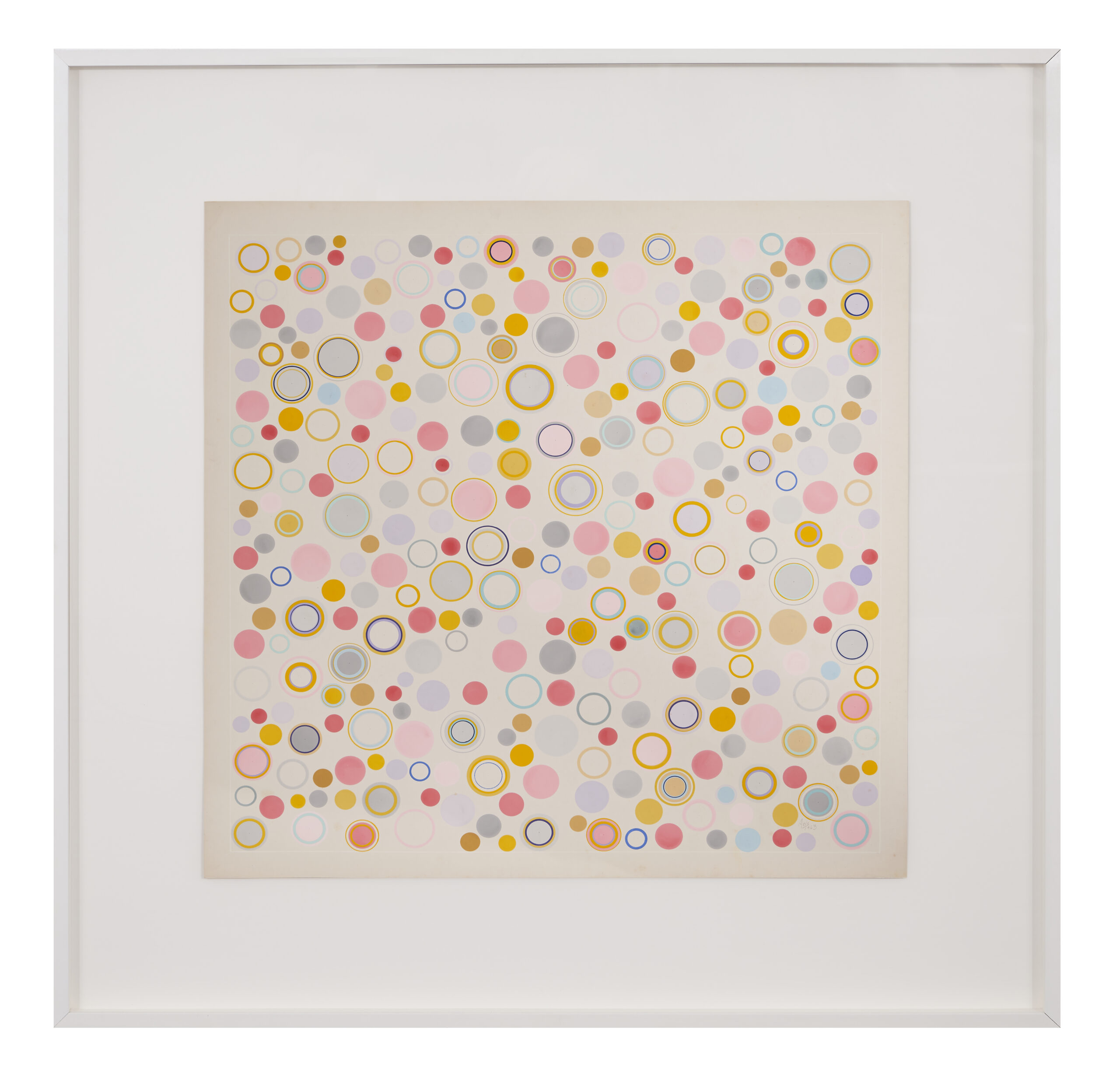
Colored touches #2340, 1963
acrylic on cardboard, 77 x 76 cm.
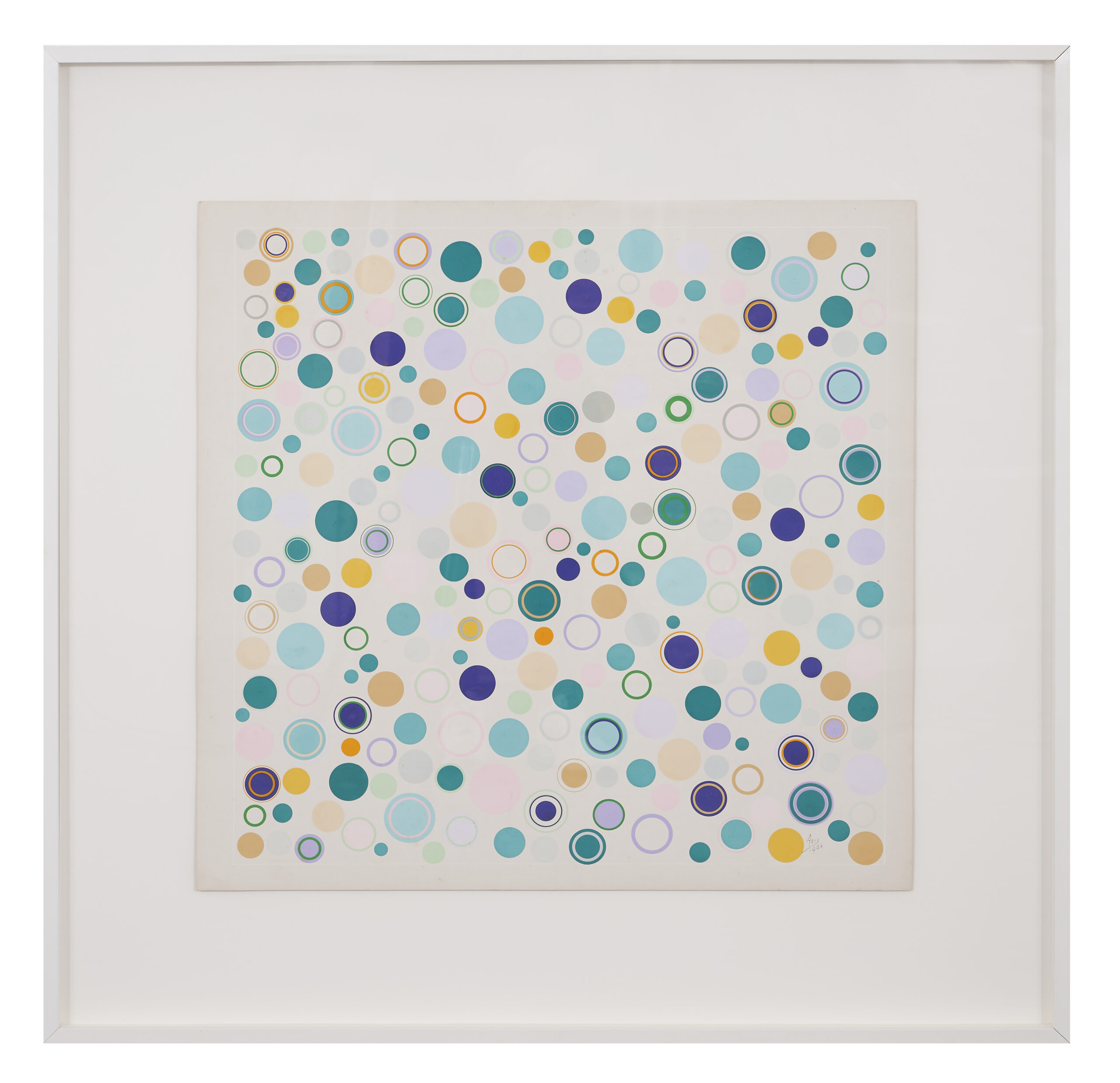
Colored touches #3054, 1968
acrylic on cardboard, 77 x 76 cm.
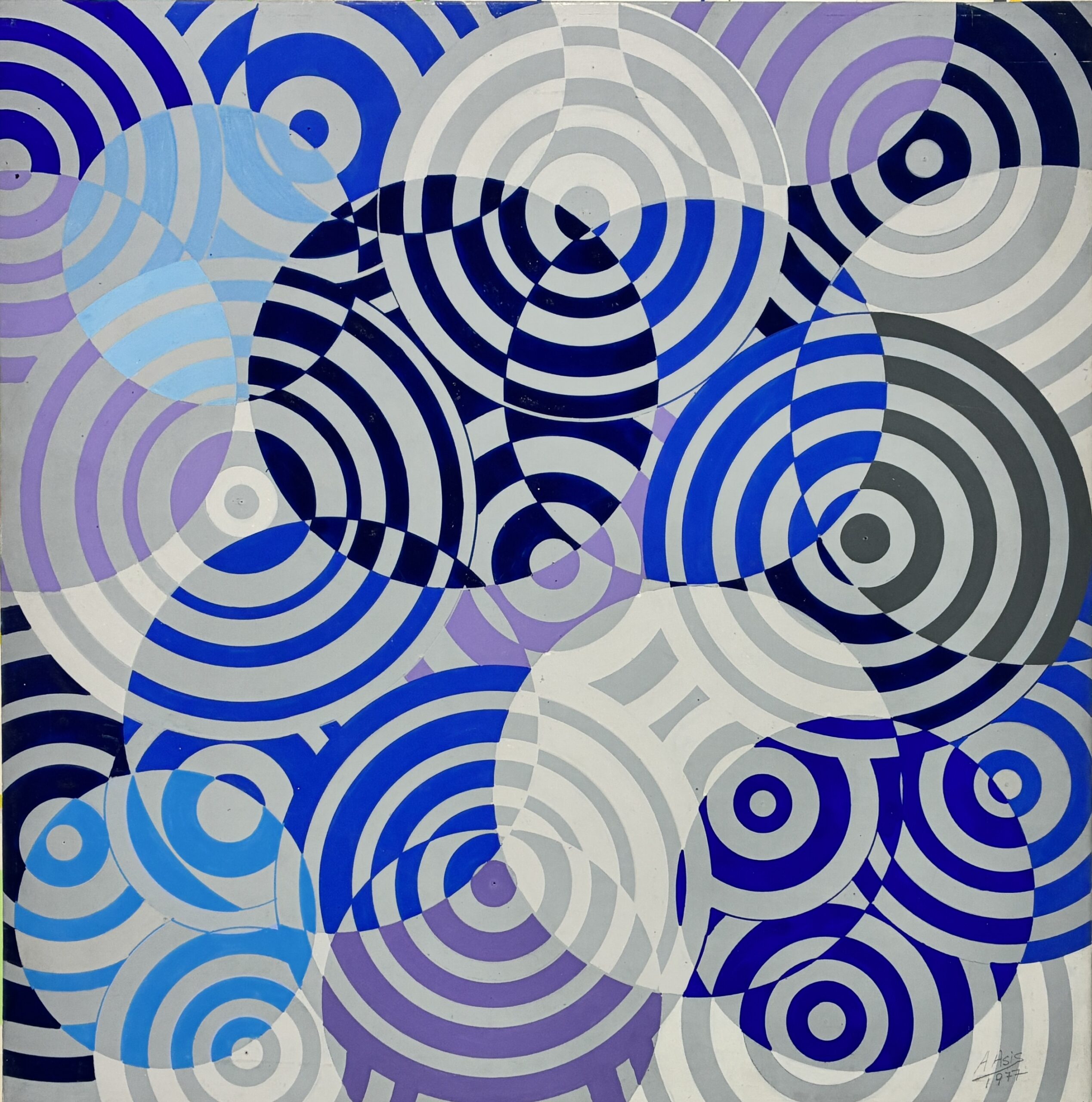
Interference No. 4770, 1977
acrylic on cardboard, 35 x 35 cm.
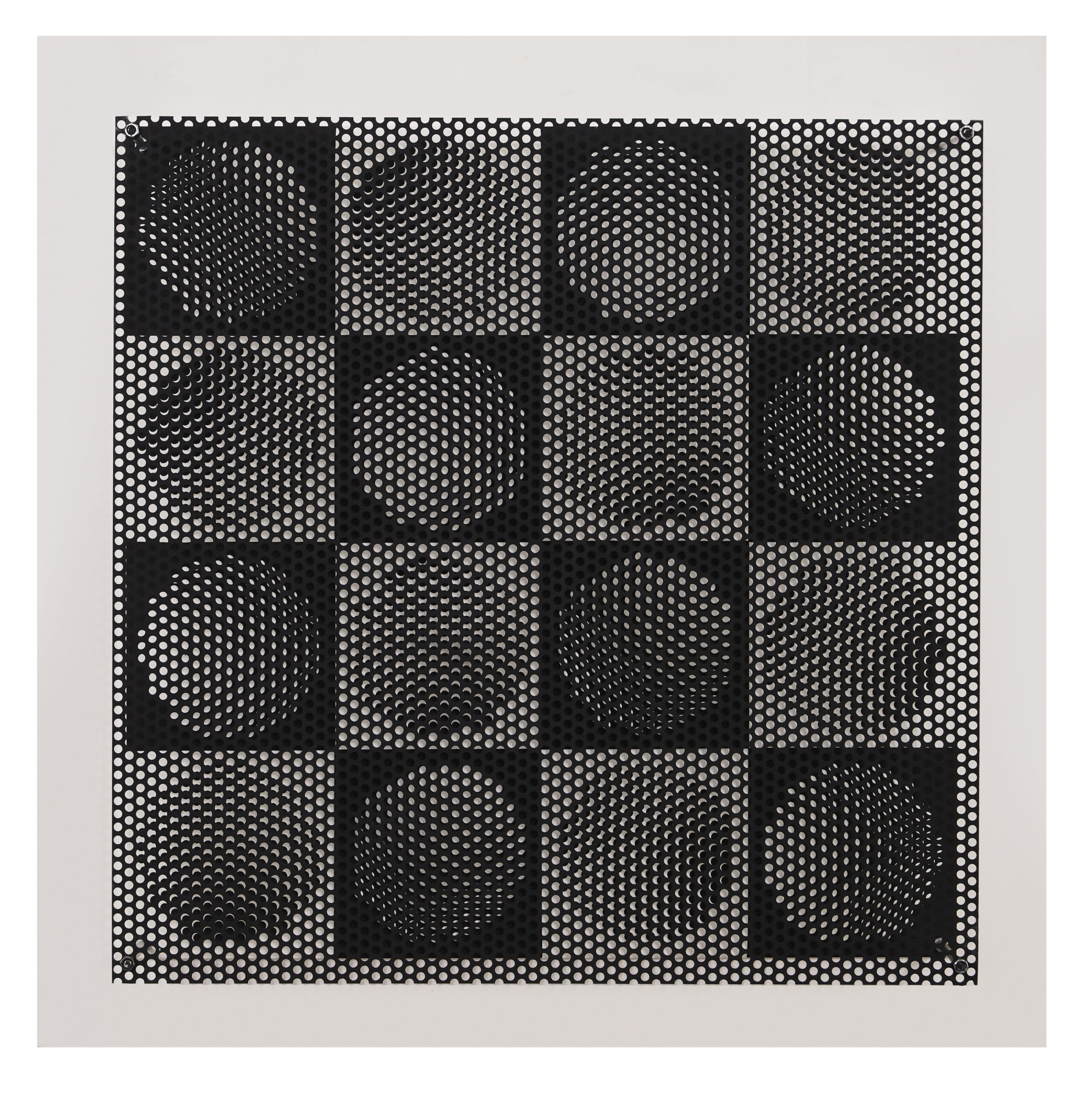
Vibrations sur carres, 2005
acrylic on wood and metal grid, 98 x 98 cm.
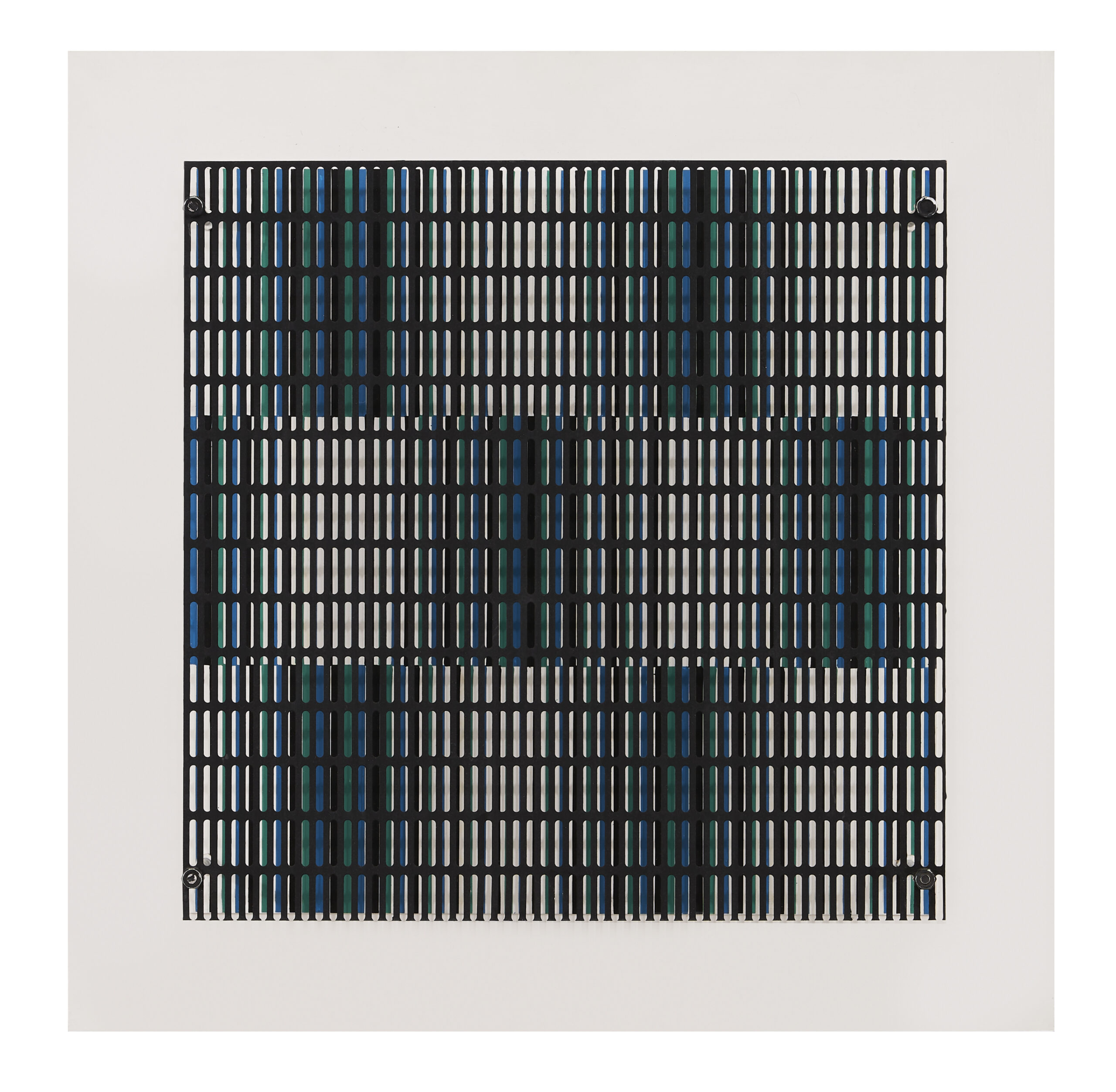
Vibrations vertes et bleues No. 93 - 1097, 1995
acrylic on wood and metal grid, 66 x 66 cm.
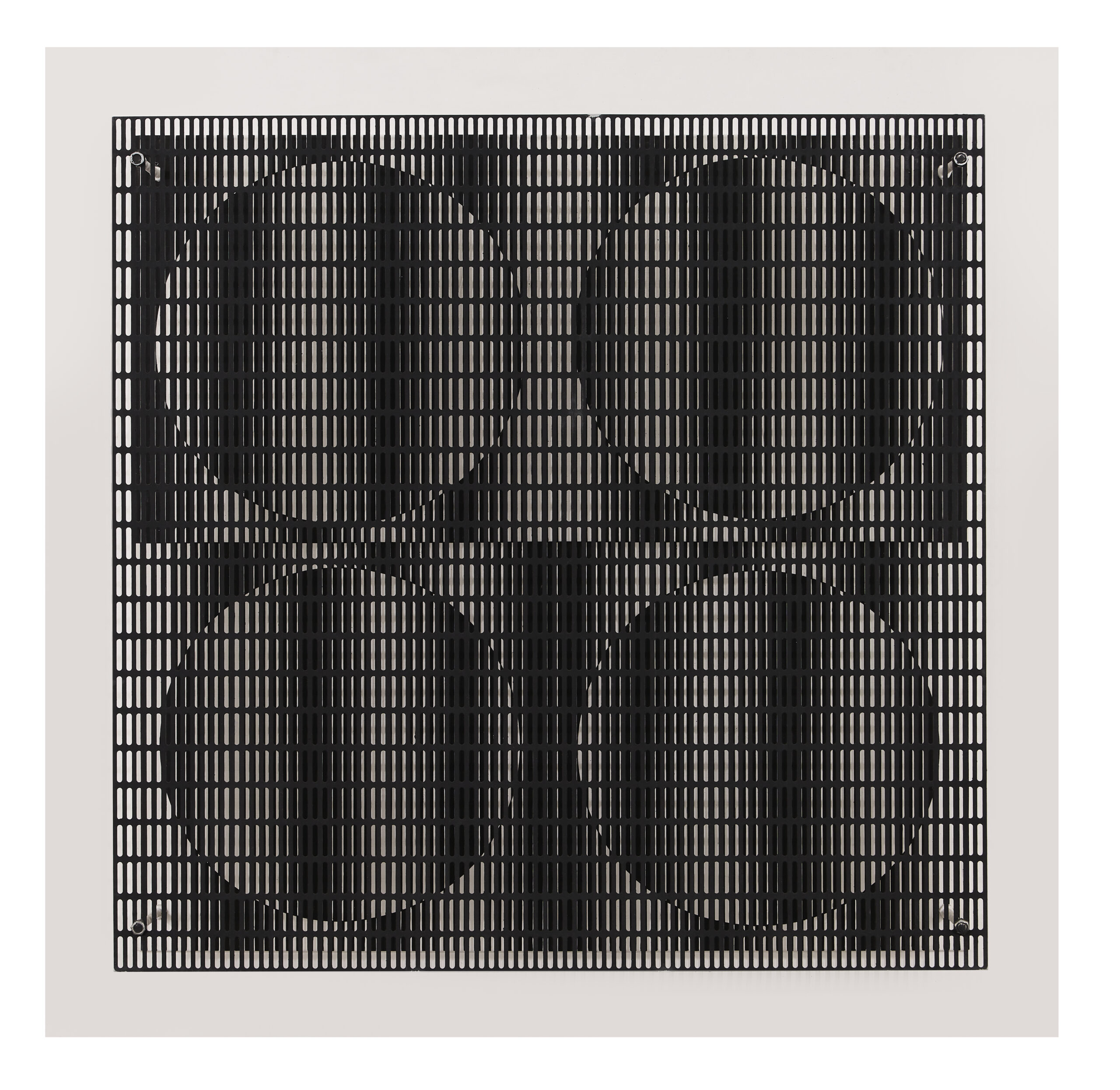
Vibrations vertes et bleues No. 93 - 1097, 1995
acrylic on wood and metal grid, 98 x 98 cm.
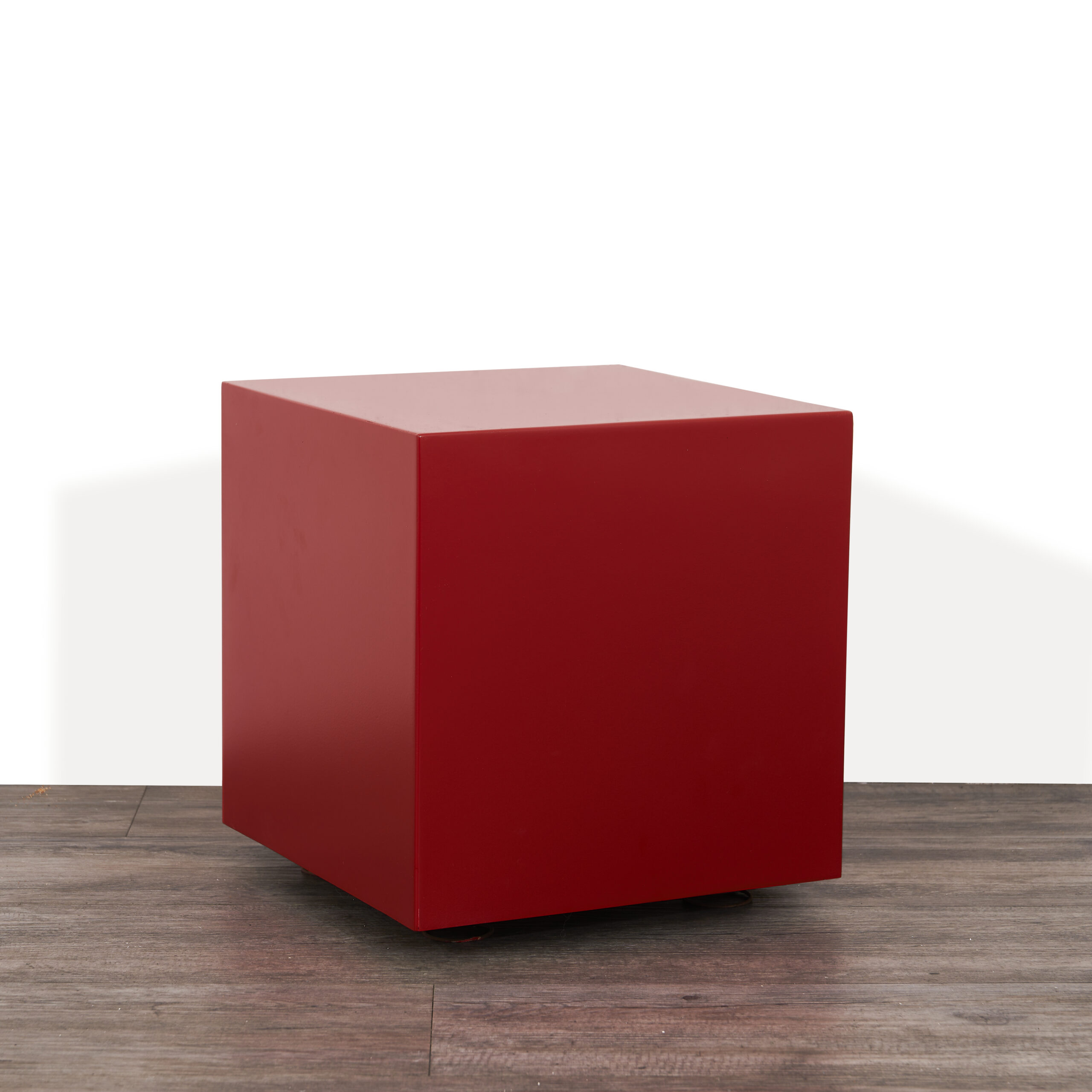
Cubo No 5 Rojo, 1969
acrylic on wood and metallic spring, 40 x 40 x 40 cm.