VERTIGO
Antonio Asis, Julio Le Parc, Gregorio Vardanega, Rogelio Polesello, Gyula Kosice, Martha Boto, Perla Benveniste, Eduardo Rodríguez, Luis Tomasello y Manuel Espinosa.
Antonio Asís, Julio Le Parc, Gregorio Vardanega, Rogelio Polesello, Gyula Kosice, Martha Boto, Perla Benveniste, Eduardo Rodríguez, Luis Tomasello, and Manuel Espinosa.
In 1958, Alfred Hitchcock released Vertigo, a film that marked a milestone in cinema history and introduced one of the most recognizable visual and narrative techniques of modern film: the dolly zoom. This device alters spatial perception through the simultaneous movement of the camera and zoom in opposite directions, generating a sense of instability, disorientation, and estrangement.
A few years earlier, in 1955, the Denise René Gallery in Paris presented the exhibition Le Mouvement, where kinetic art was consolidated for the first time as a distinct movement. Its central elements were movement, space, and time, manifested through various approaches: works activated only through the viewer’s movement, pieces transformed through direct interaction with the public, and motorized devices operating autonomously.
The integration of cinema with this artistic manifestation, by focusing on visual language through movement, introduces a specific reflection on perception as an unstable construction. As Roger Bordier noted in his text Cinéma, the moving image reorganizes the relationship between time, space, and gaze. It is precisely at this point that this exhibition situates itself: a shared inquiry into the ways perception is activated, disrupted, and transformed into experience.
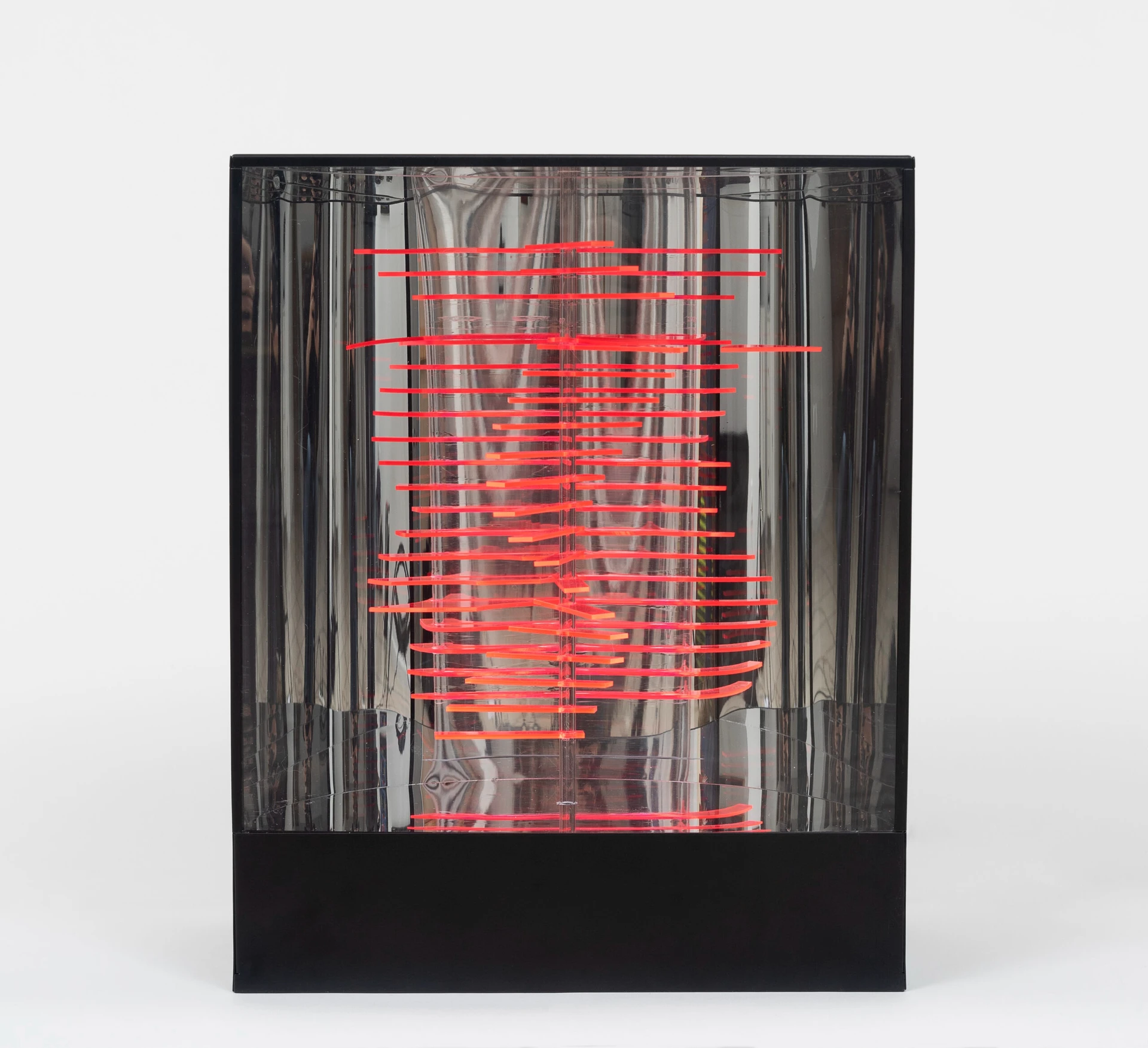
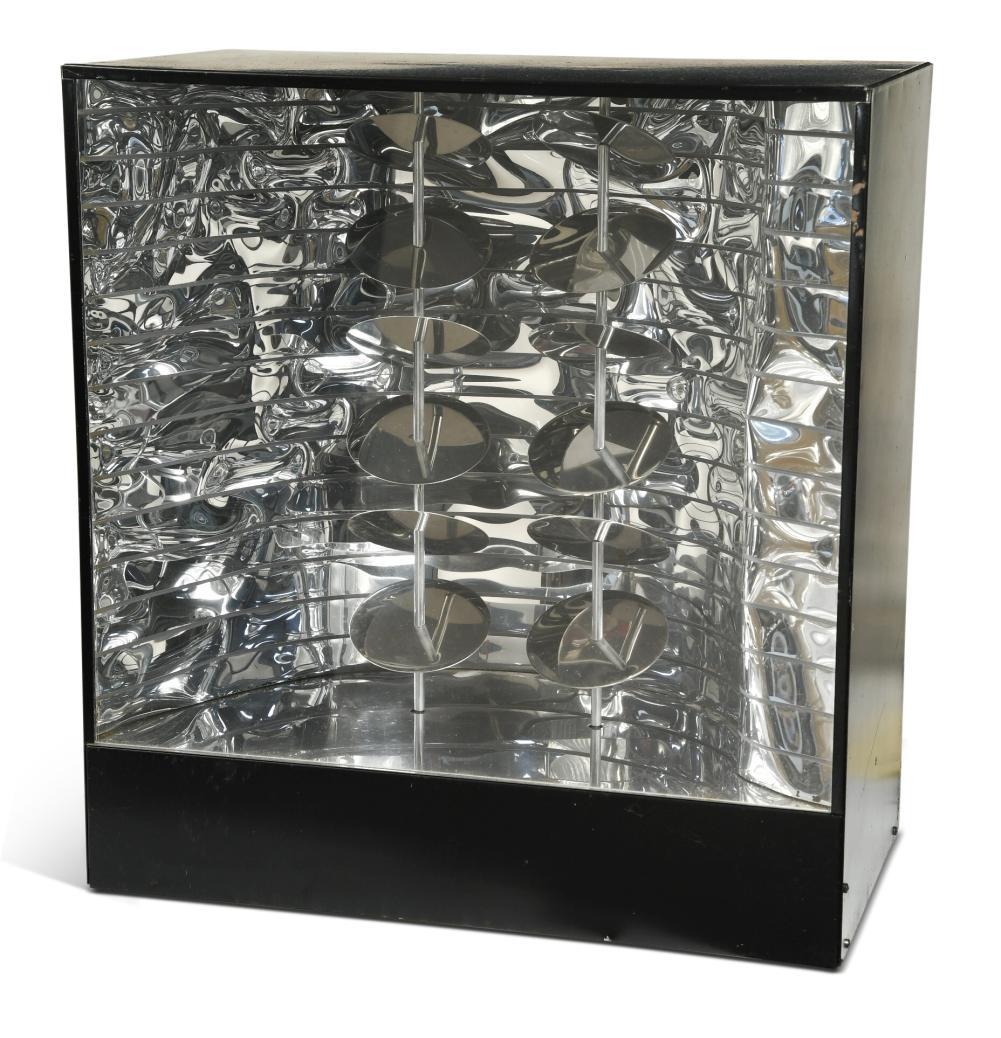
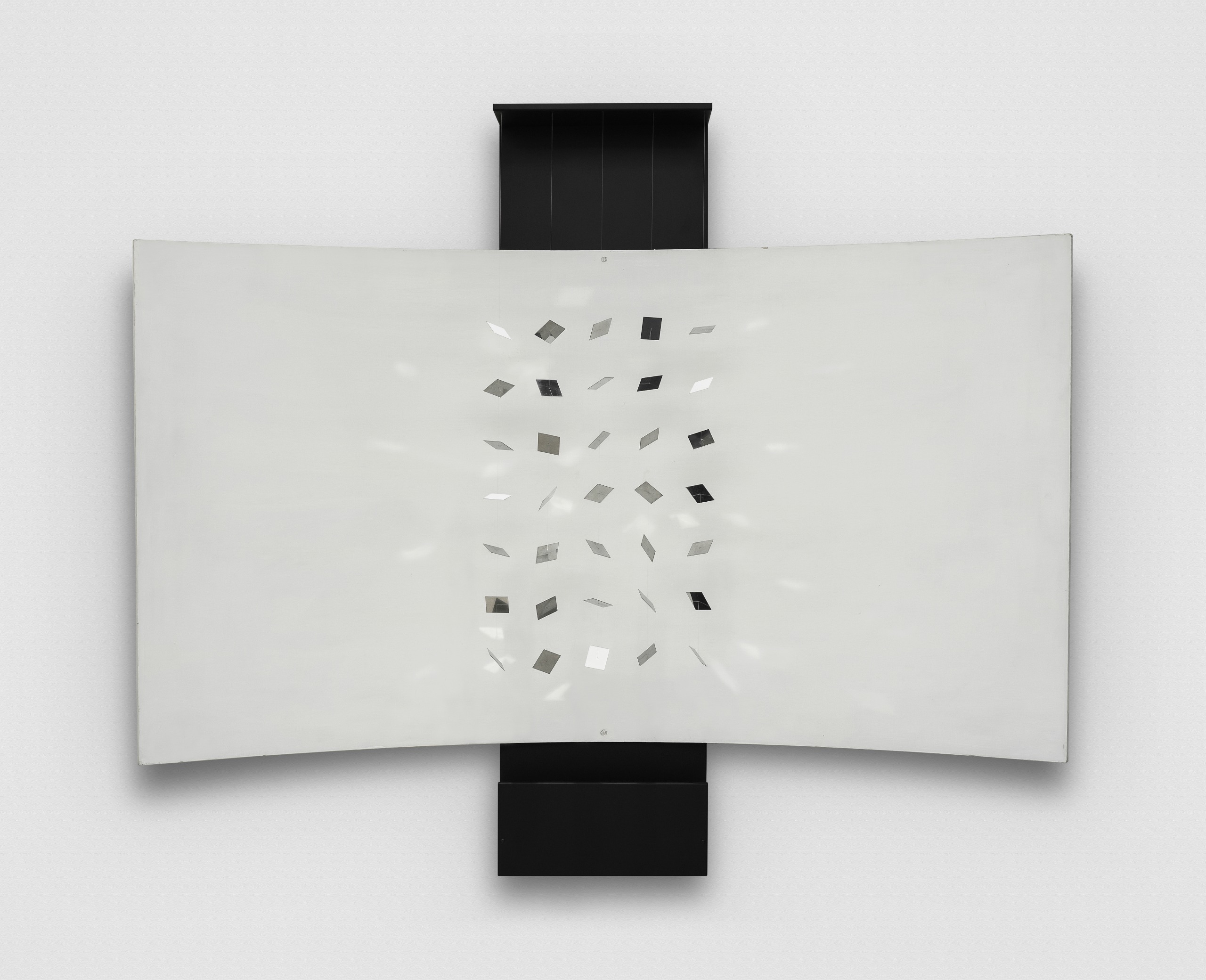
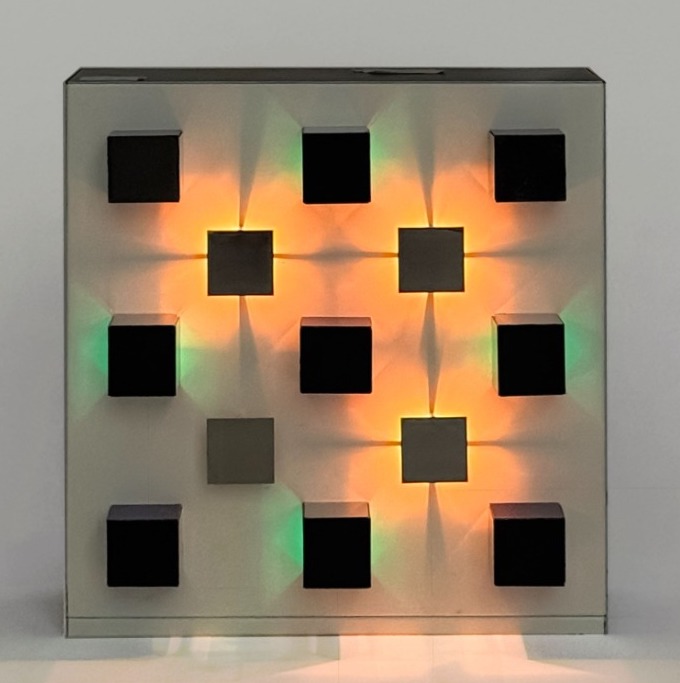
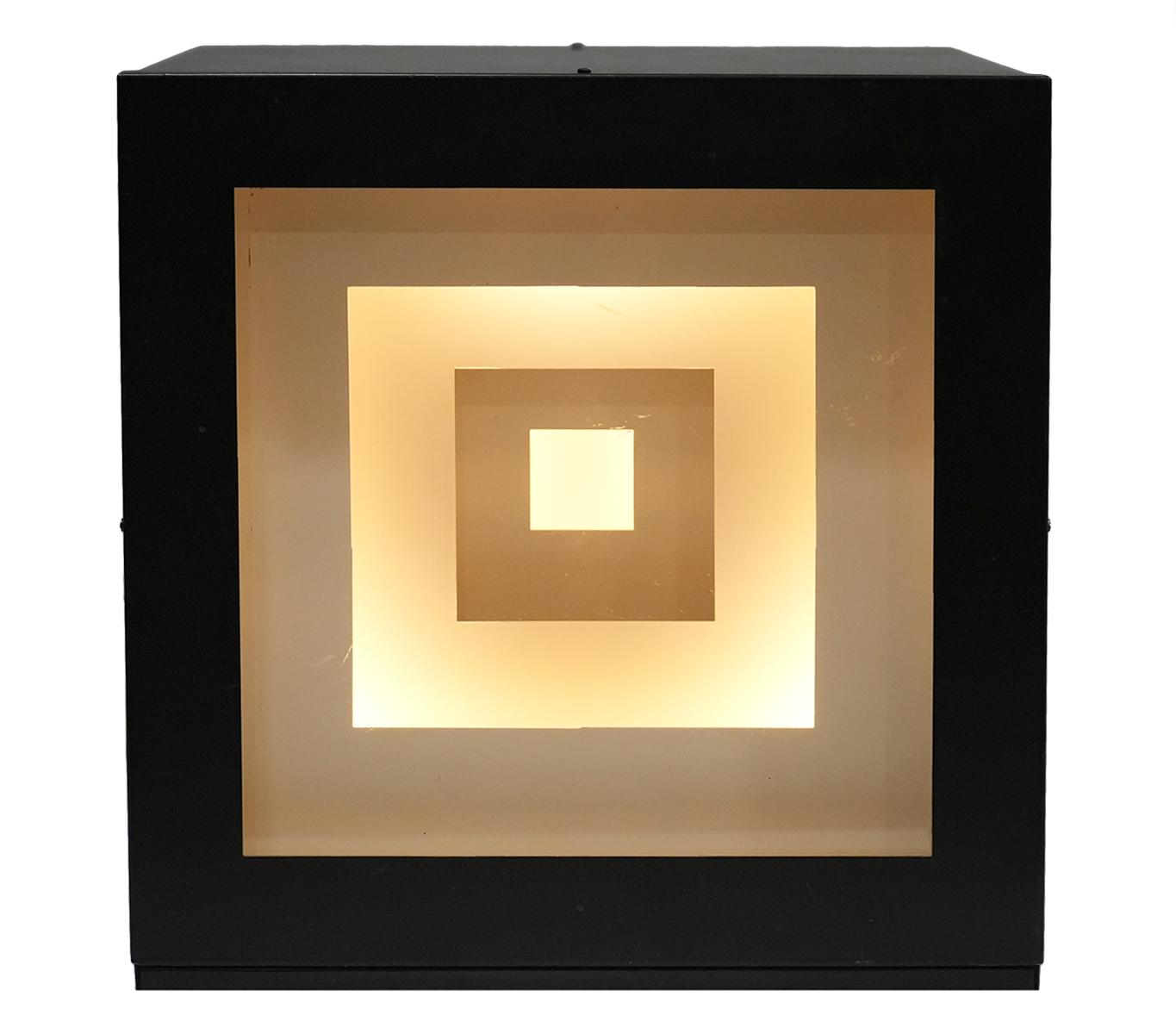
This exhibition takes the title Vertigo to present a selection of works by Antonio Asís, Julio Le Parc, Gregorio Vardanega, Rogelio Polesello, Gyula Kosice, Martha Boto, Perla Benveniste, Eduardo Rodríguez, Luis Tomasello, and Manuel Espinosa. Like the cinematic technique that inspires it, these works produce visual instability, generating a dynamic field in which the fixed becomes unstable and perception is in constant transformation.
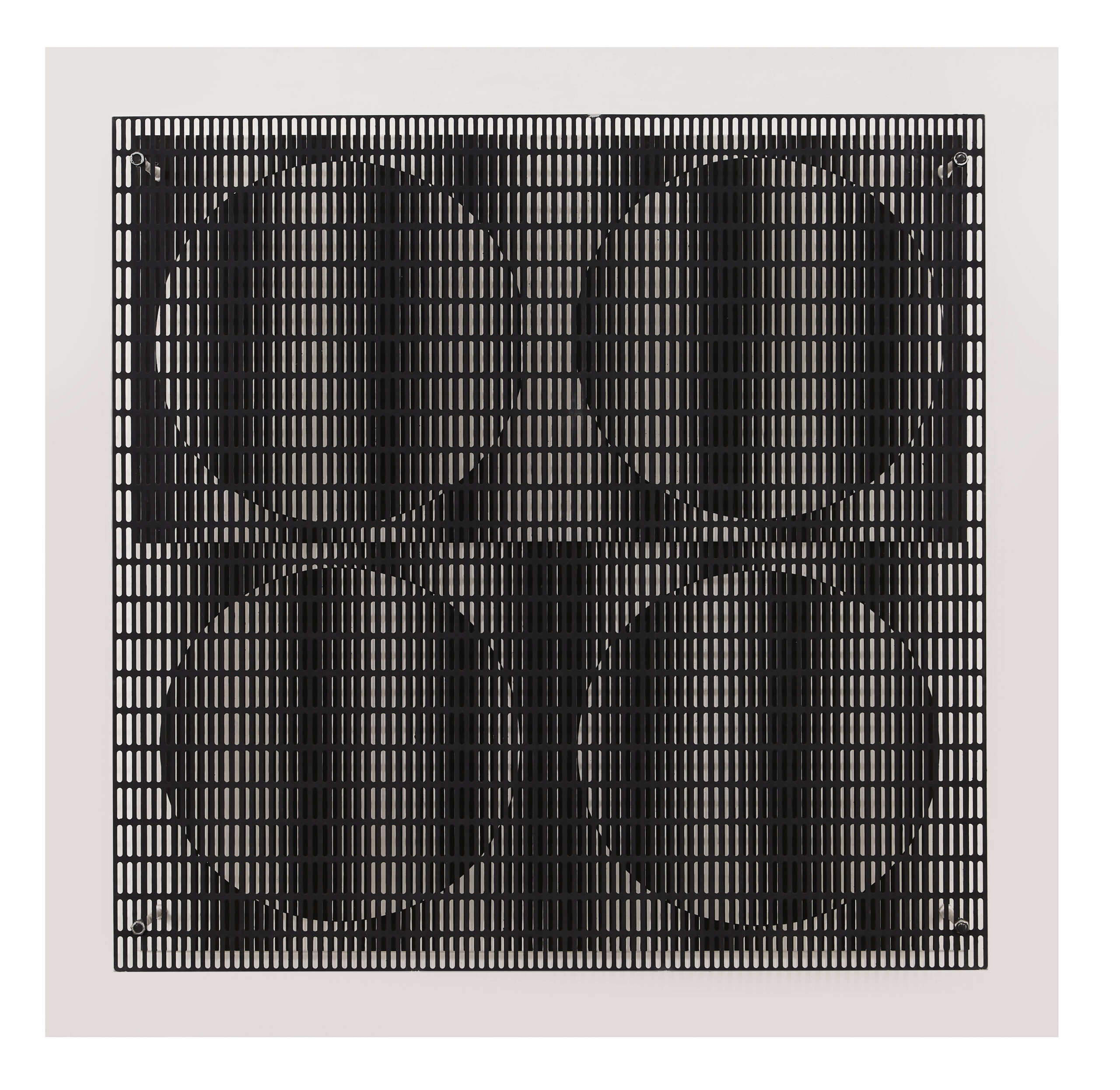
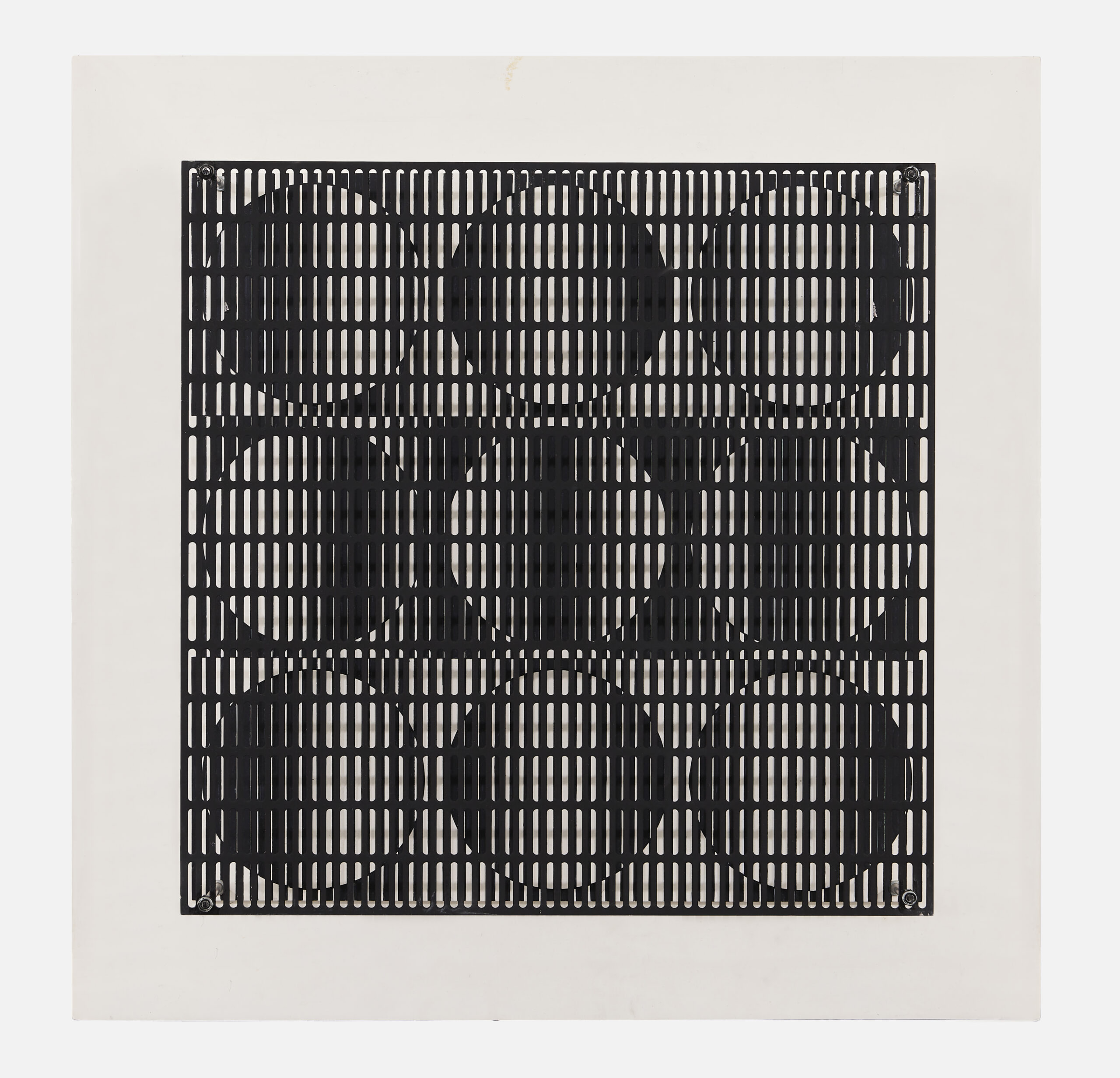
As a member of the Groupe de Recherche d’Art Visuel (GRAV), Julio Le Parc established in Paris the foundations of a practice centered on the active participation of the viewer, transforming and disrupting the meaning of the artwork toward experience. These investigations continued to develop in Buenos Aires in works that required movement, interaction, and variations of light within the image to fully unfold geometric structures, in dialogue with precedents such as those of Gyula Kosice, whose dynamic conception of geometry—initiated in the Madí group—projected and consolidated itself within kinetic art.
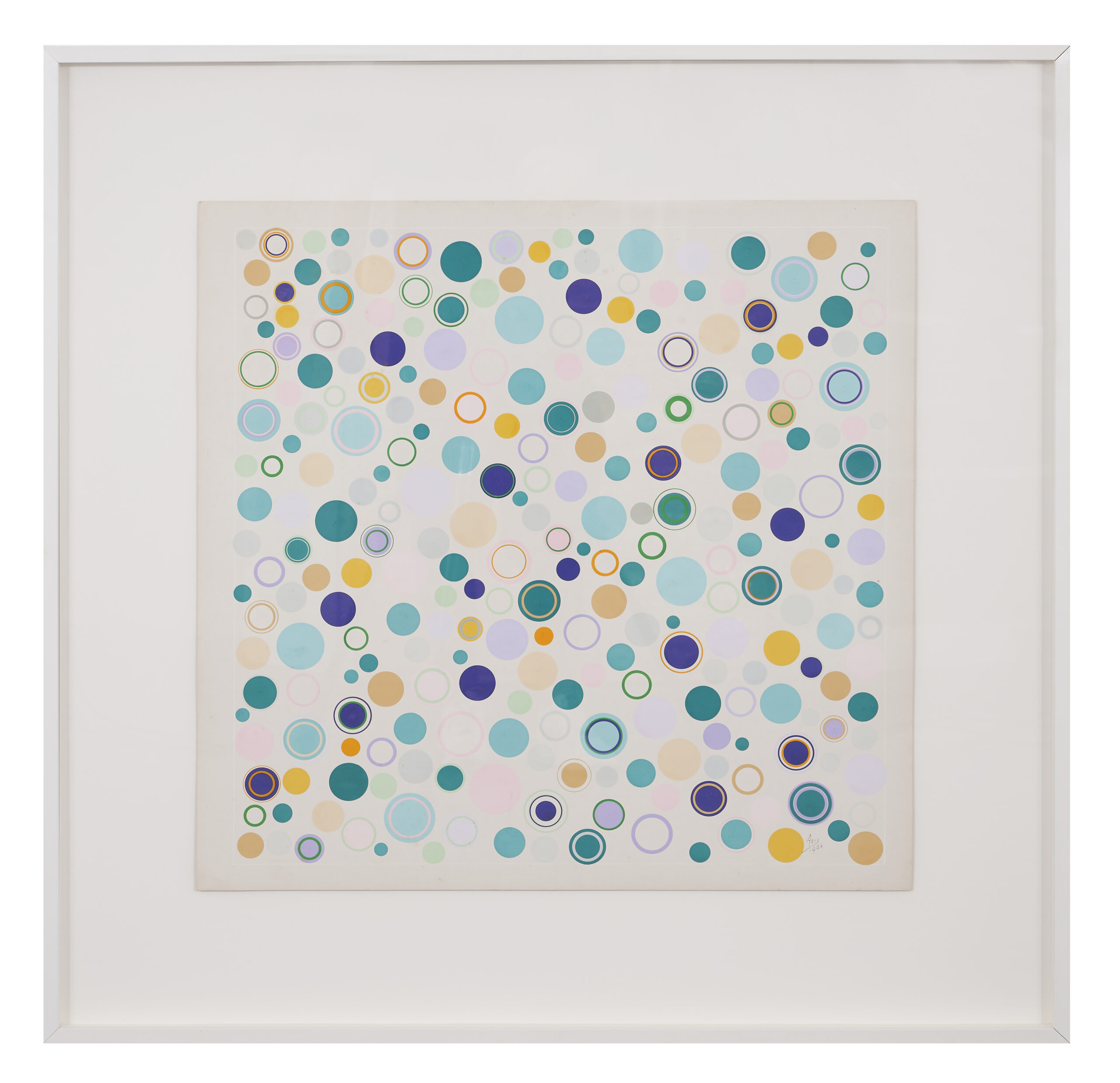
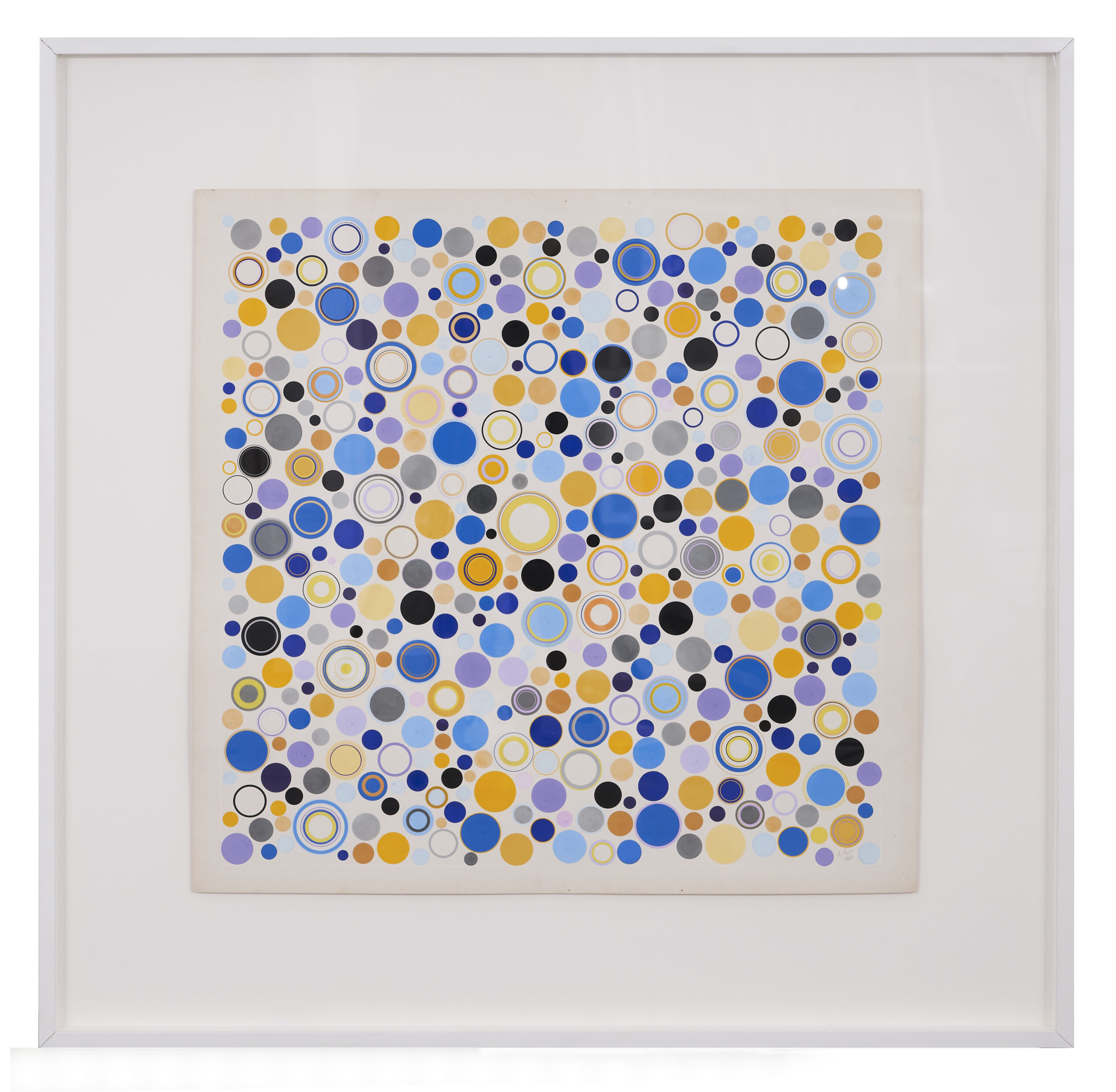
Within this framework, artists such as Antonio Asís and Manuel Espinosa worked on perceptual activation through minimal operations, whether by optical vibrations generated by chromatic units or through subtle tonal variations. Meanwhile, Luis Tomasello produced three-dimensional geometric environments where color and space transform according to the viewer’s position. In turn, Martha Boto and Gregorio Vardanega, along with Perla Benveniste and Eduardo Rodríguez, developed investigations linked to motorized systems and light effects, deepening the distortion of light and color and collectively evidencing the convergence between art, science, and technology in the construction of new forms of perception.
These artists explored devices capable of producing a new visual sensibility, aligned with the changing reality of their time, just as cinema explored the technical possibilities of the moving image. In both cases, this involves experimentation with the limits of the visible and a challenge to the stability of form, within a context shaped by the expansion of technology and reproduction media, incorporating industrial materials, mechanical systems, and logics of seriality characteristic of the period.
Kinetic art proposes situations: open experiences that invite viewers to inhabit the work. As Elena Oliveras notes, these pieces generate a constant excitation of attention, a dimension of uncertainty, a “not knowing what will happen,” which activates the senses and produces an ever-unstable fascination.
Vertigo thus proposes a journey through a set of practices that turned movement—real or illusory—into a tension, challenging our ways of perceiving and reminding us that all vision is, ultimately, a construction in motion.