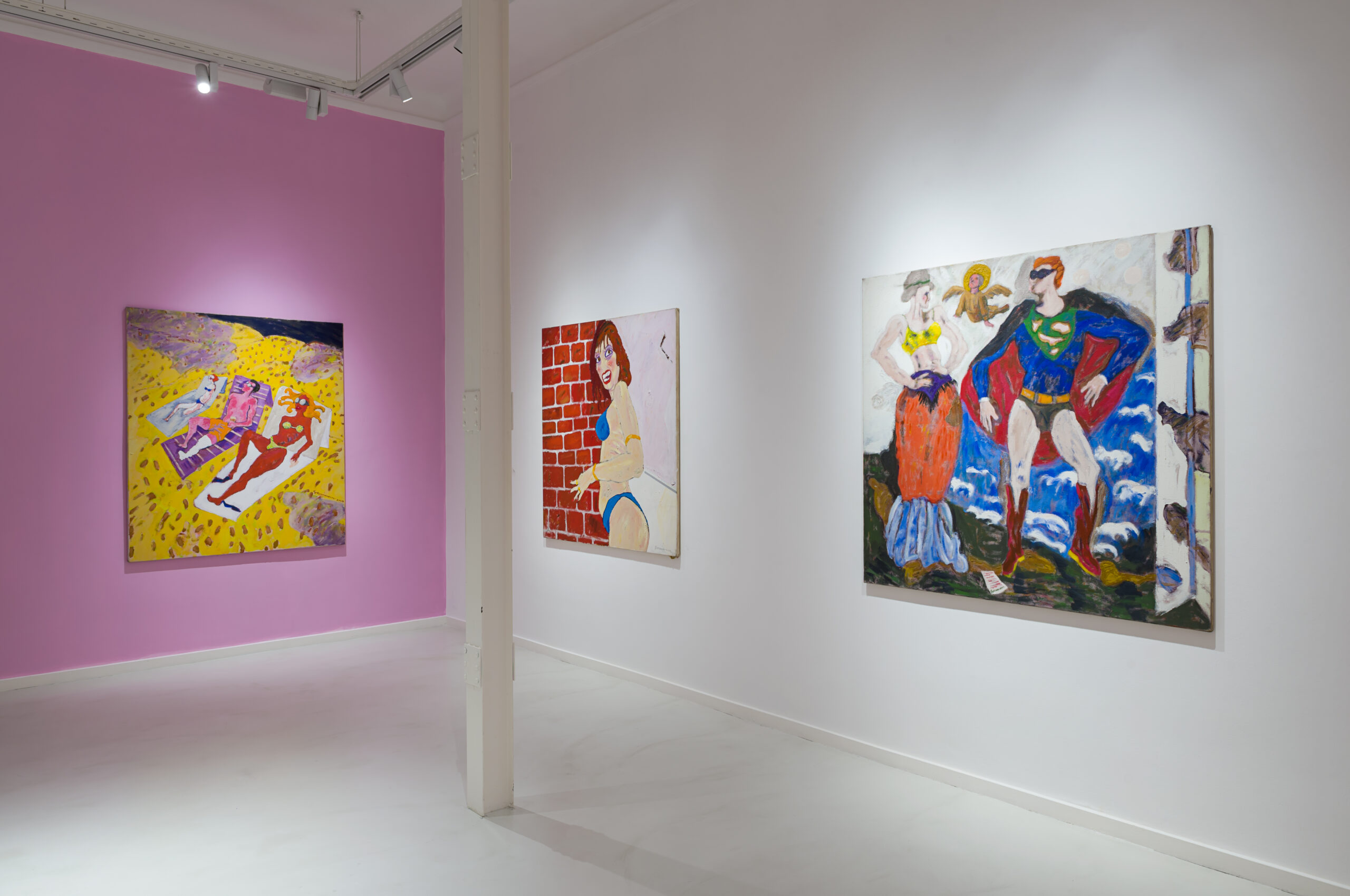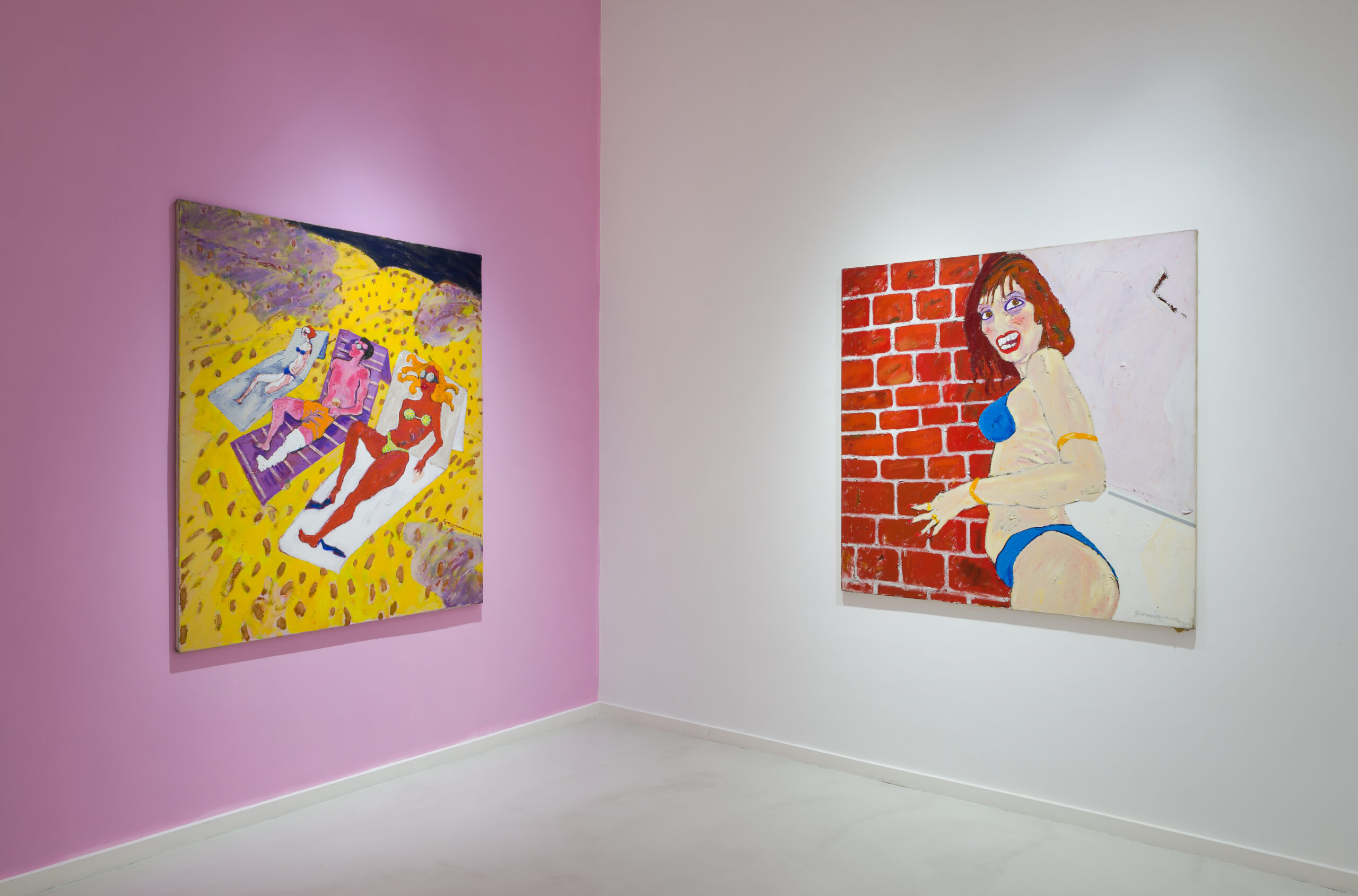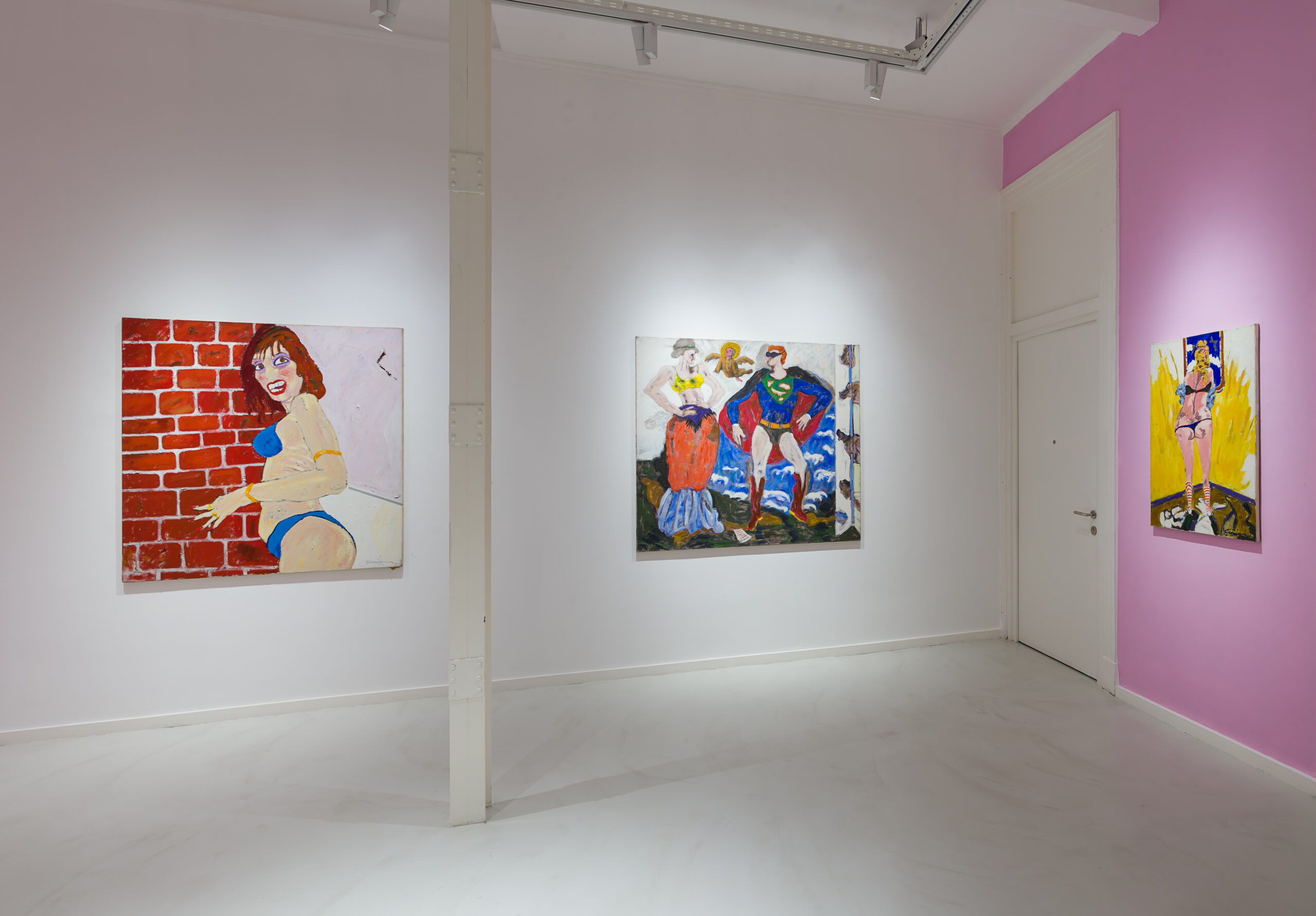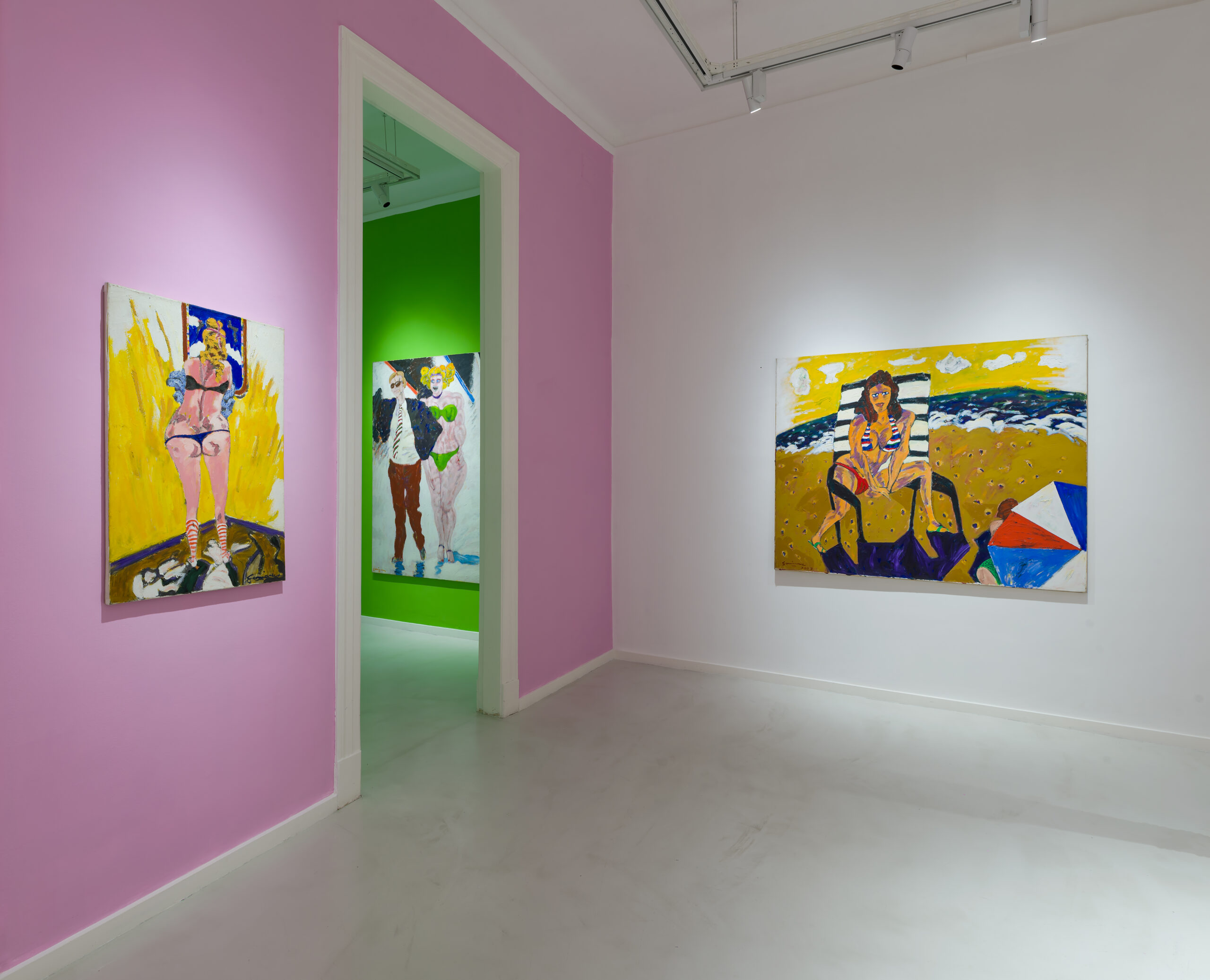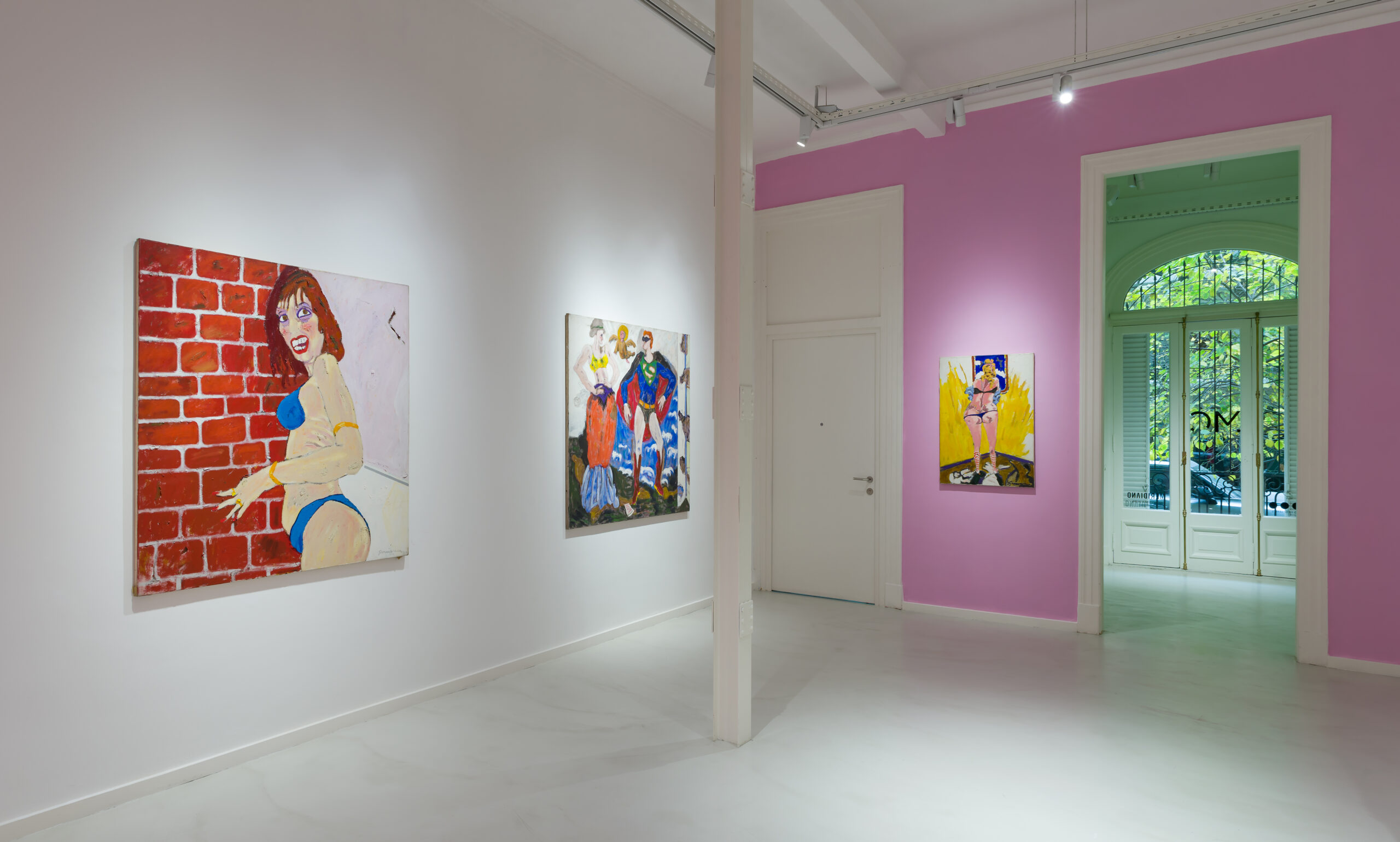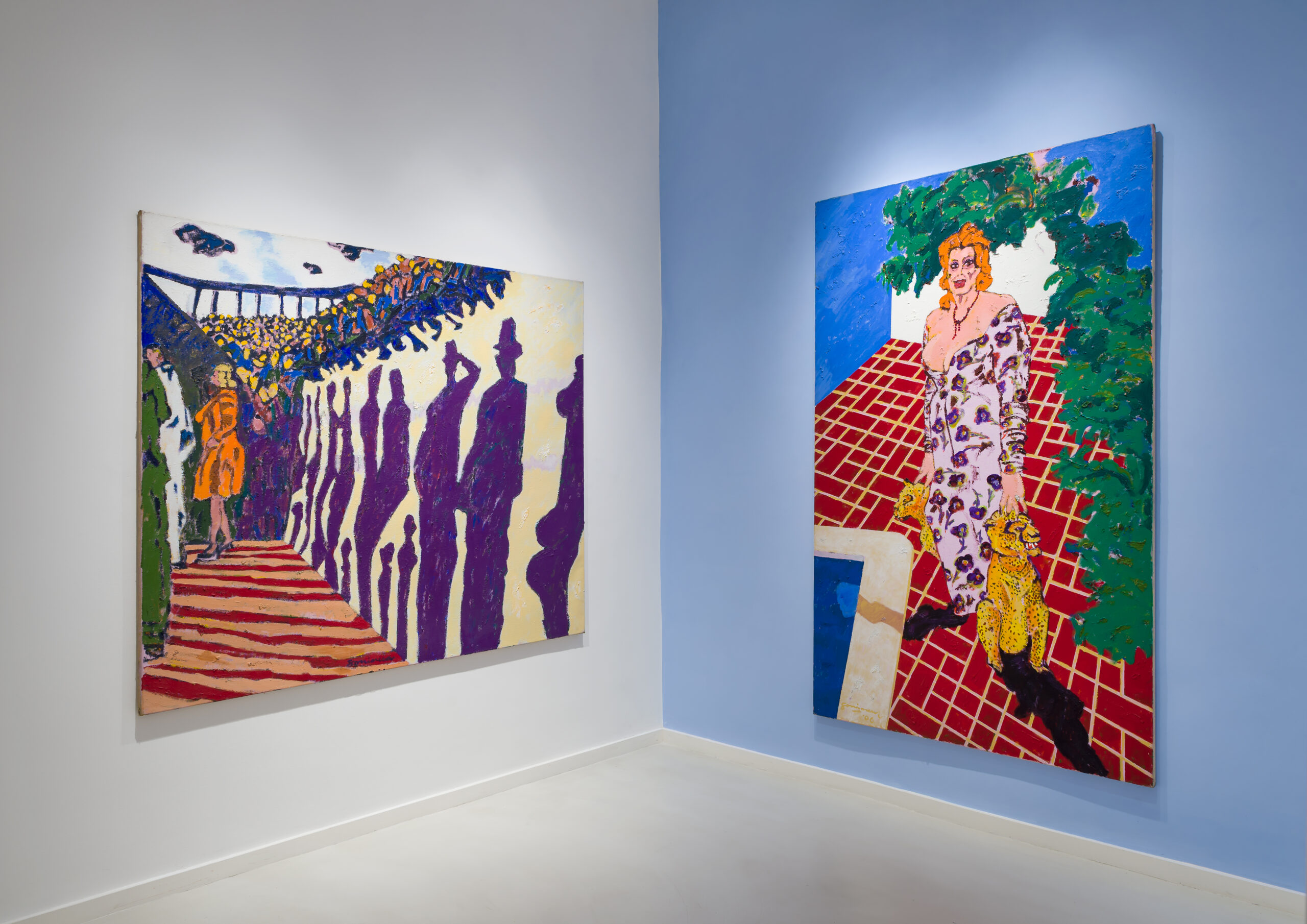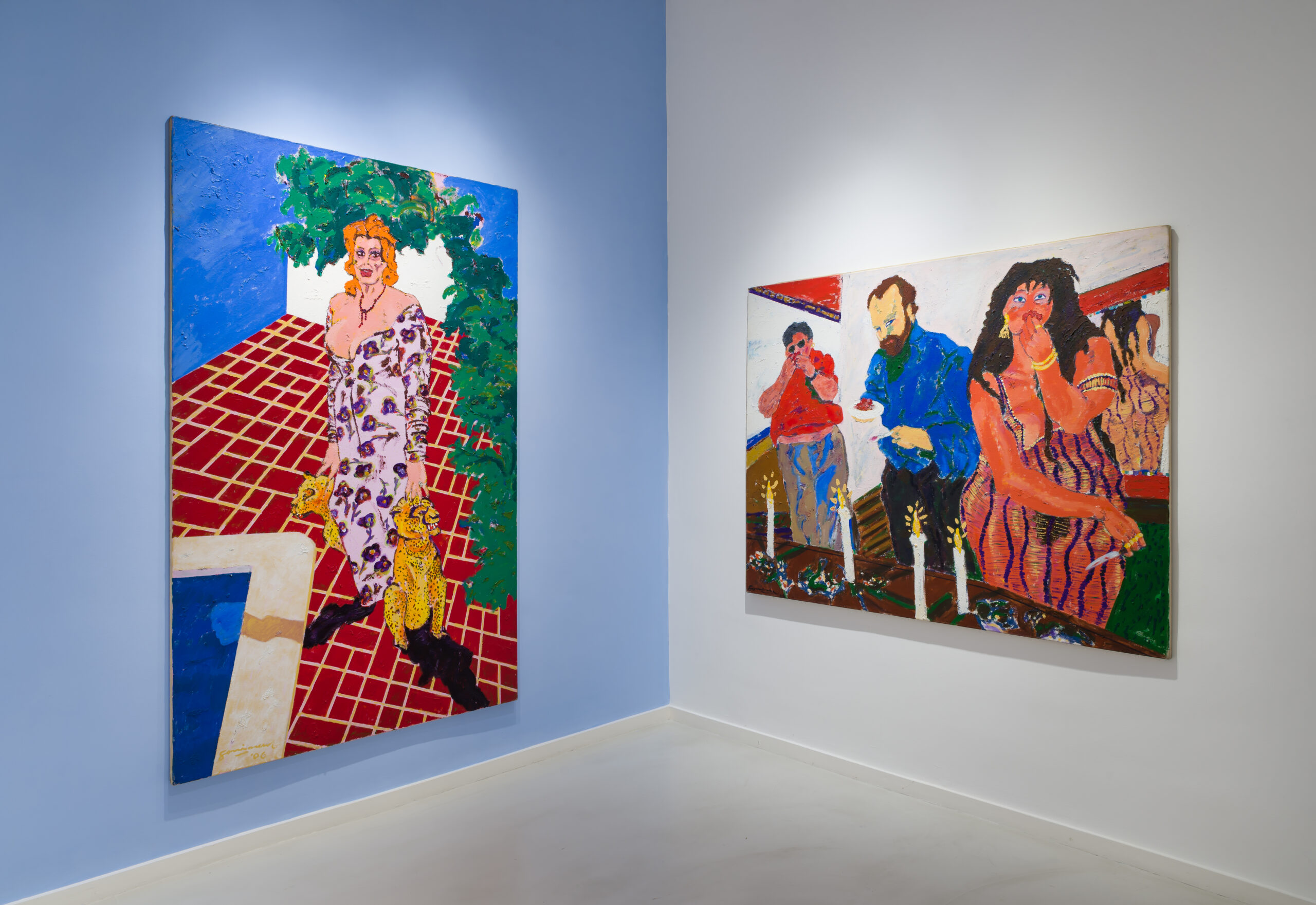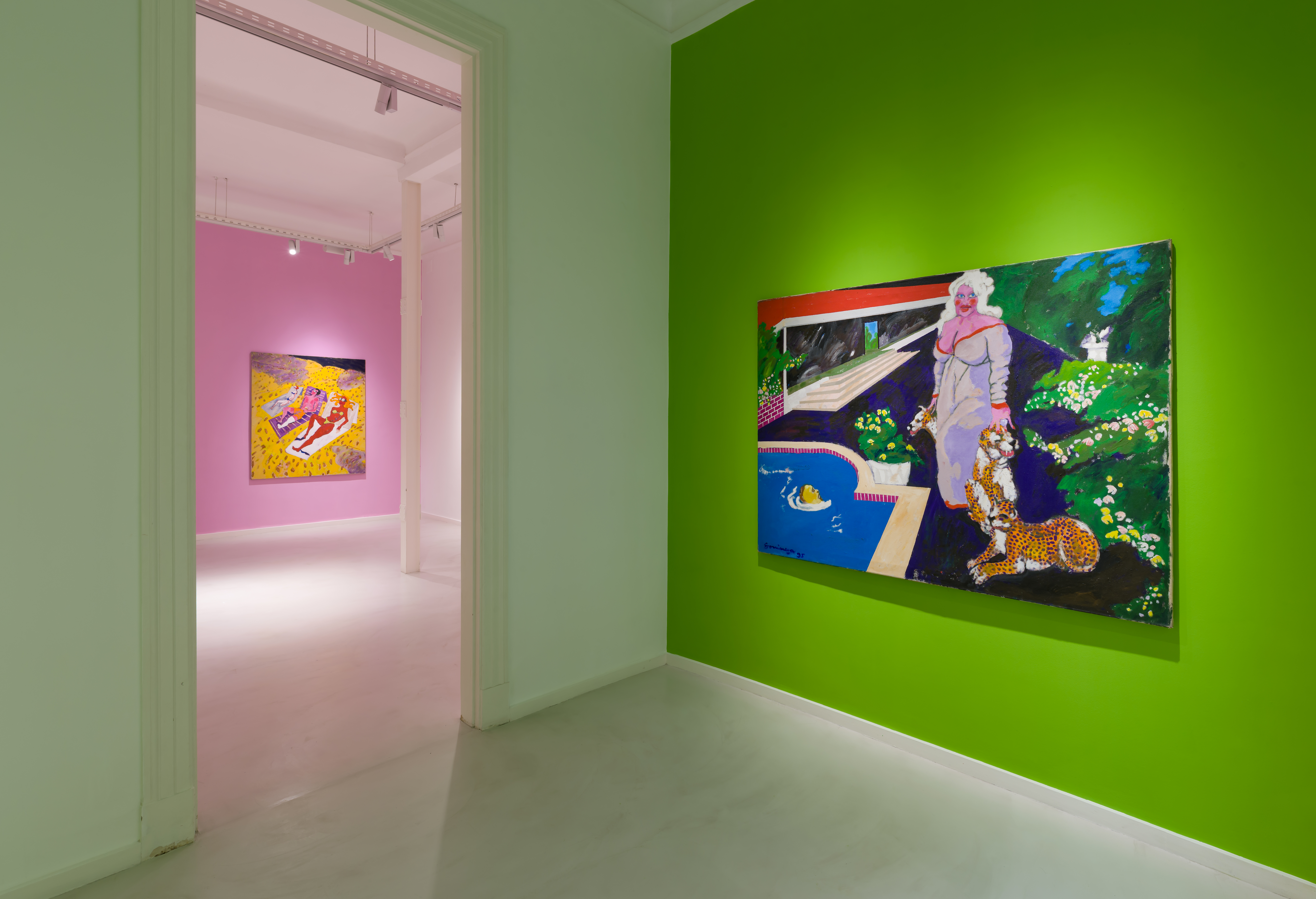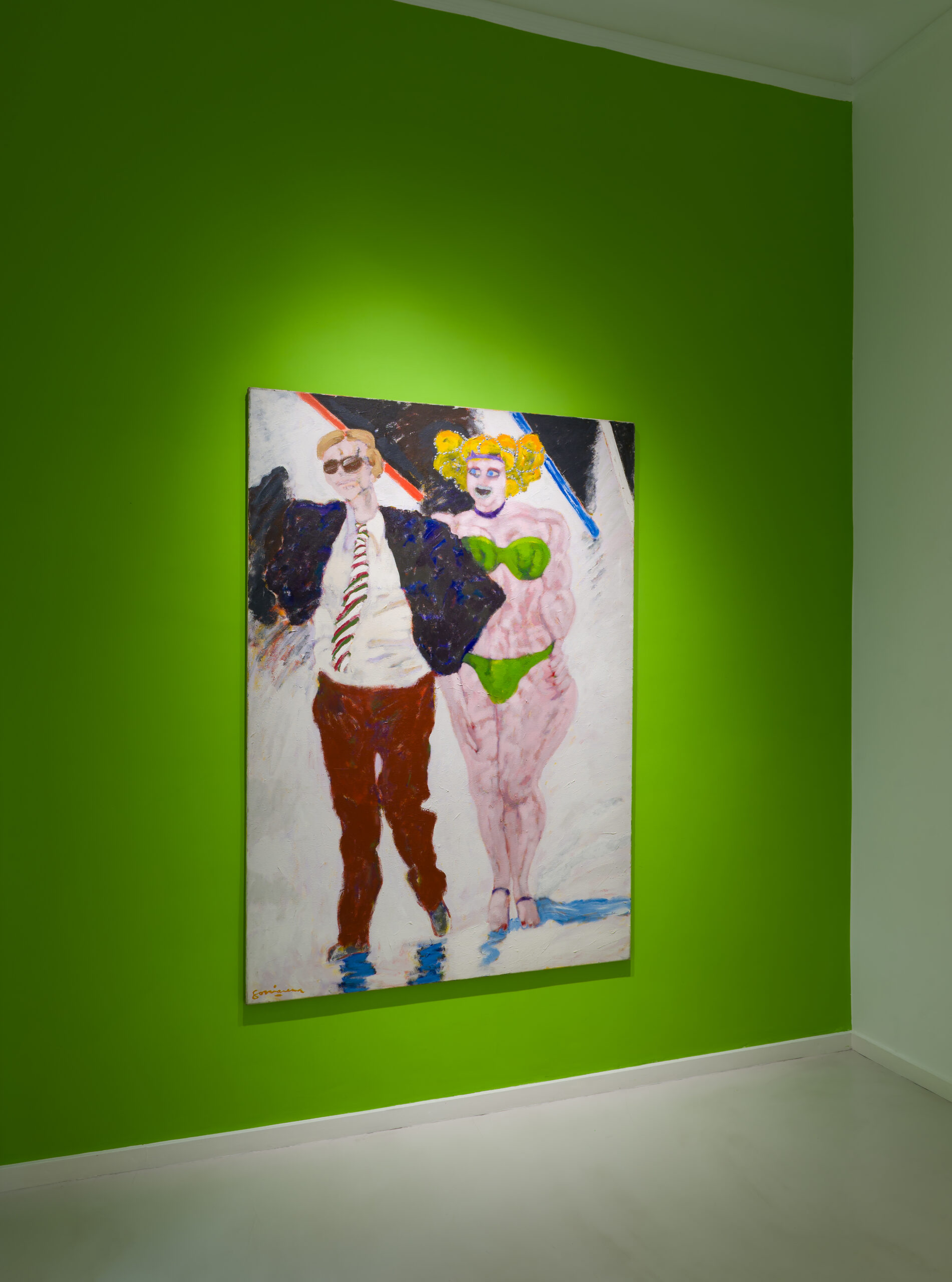
Carlos Gorriarena: Mujeres en vísperas
From June 3rd to July 31st
Each in Their Own World
What is it that truly takes place in Carlos Gorriarena’s paintings? What is the reality that moves beneath what appears to reveal a certain fullness, including the fullness of twilight?
Any answer we venture should be careful not to be carried away by the meaning things seem to have at first glance. For it is within that interstitial dimension—where paradox alters the experience of revelation (what remains unseen within what is seen)—that Gorriarena’s paintings pierce through their own artistic identity like an arrow, attaining a state of suspended, charged meaning.
Gorriarena, a prince of color, knows better than anyone that there are living organisms at work beneath the splendor of vivid colors—that is, processes of decay already underway—as if to say: there is a lemon beneath the color yellow. The contrast between the exalted exterior and the hidden interior pressing outward with a drama that cannot yet be seen is the soul of his art and, perhaps, the one gift among his many talents that could be considered irreplaceable.
Gorriarena’s images are images of what is about to happen. In those eves whose future remains uncertain, an aggravating condition emerges: the future has already begun to erode the present reality of events. Time enters the instant, deploying its invisible armies. Within that discreet yet irreversible leveling, women appear as flesh-and-blood ghosts who resist—whether with elegance or despair—the calamities of the countdown.
On the opposite side of his reflections on men—ordinary beasts drawn toward the black sun of power, which, as in his version of the Pact of Olivos, casts shadows different from those of the sun that shelters the world—Gorriarena’s women belong to a different species altogether. They are absorbed by an inner world in which they lose themselves only to find themselves again.
What we encounter is what might be called a “gallery” in the sense of a gallery of characters, where women—even women reduced to objects—display the singularity of subjects who remain unreadable. What they think, what they feel, and who they are belong to a specific mystery: the mystery of identity. For unlike Gorriarena’s men—universal and interchangeable despite their most disparate appearances—each woman is unique.
Exalted or calm, slender or full-bodied, clothed or nude, poised in action or in potential, Carlos Gorriarena’s women are creatures endowed with an earthly human power, one that men tend to disdain as they seek their own among the gods they imitate.
This marks an irreconcilable difference between the genders that, in Gorriarena’s work, becomes evident whenever men and women—with few exceptions—gather within a circle of intimacy. There, the woman looks at the man, while the man gazes toward a beyond where he perhaps glimpses the horizon of his ideals. And while one says, “Good evening,” the other replies, “Good morning.”
This is the crux of a question that Gorriarena’s art has revealed: there is no greater closeness between woman and man than the shared fate that keeps each within their own world.
Juan Becerra